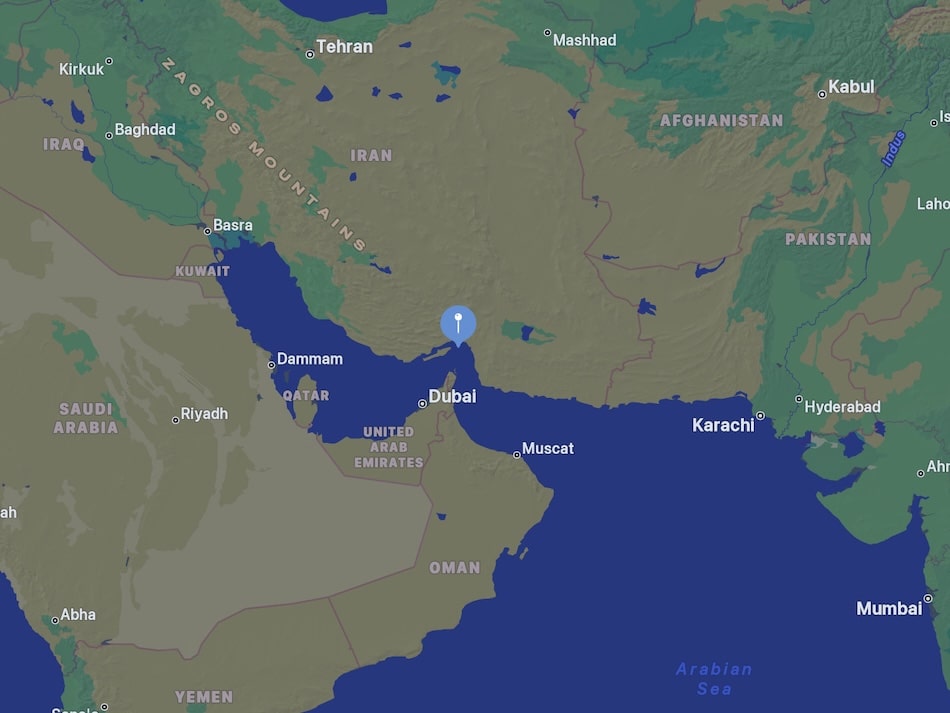

Iran’s government naming bitcoin as an accepted payment method for oil ships crossing the Strait of Hormuz underscores its role as a neutral, censorship-resistant asset, according to Sam Lyman, head of research at the Bitcoin Policy Institute (BPI).
BPI: bitcoin is a strategic asset
Lyman told Cointelegraph that Iran chose bitcoin specifically because of its confiscation-resistant properties.
He stated:
“This is one of the most significant situations where Bitcoin is very clearly a strategic asset. The reason why Iran wants to use Bitcoin for these transactions is that no one can freeze Bitcoin. No one can shut down the Bitcoin network.”
Iran is accepting oil tolls in Chinese yuan, US dollar-pegged stablecoins, and bitcoin.
Despite the announcement, Lyman noted there is currently “no onchain evidence” of an actual bitcoin toll payment having taken place.
Stablecoins still dominate
The “majority” of Iran’s crypto transactions are denominated in US dollar stablecoins, Lyman said, with the country having run a digital asset strategy since around 2018.
He added:
“Iran has had a digital asset strategy for several years, going back to about 2018, and the majority of transactions that take place there are with USDt.”
Since 2022, Iran has shifted roughly $3 billion in cryptocurrencies, with most of that value in stablecoins.
The US Treasury was only able to freeze around $600 million of those funds, leaving approximately $2.4 billion successfully moved.
Lyman said:
“They were able to move $3 billion, and only have $600 million frozen. They were still able to move about $2.4 billion. So, I think that’s why stablecoins are still a go-to for the regime.”
Transactions carried out by the Iranian Revolutionary Guard Corps account for nearly half of Iran’s total crypto market volume, according to BPI data.
A call for US policy action
Lyman argued the situation is a signal for US lawmakers to recognize bitcoin as a strategic asset rather than taking a hostile regulatory stance toward it.