

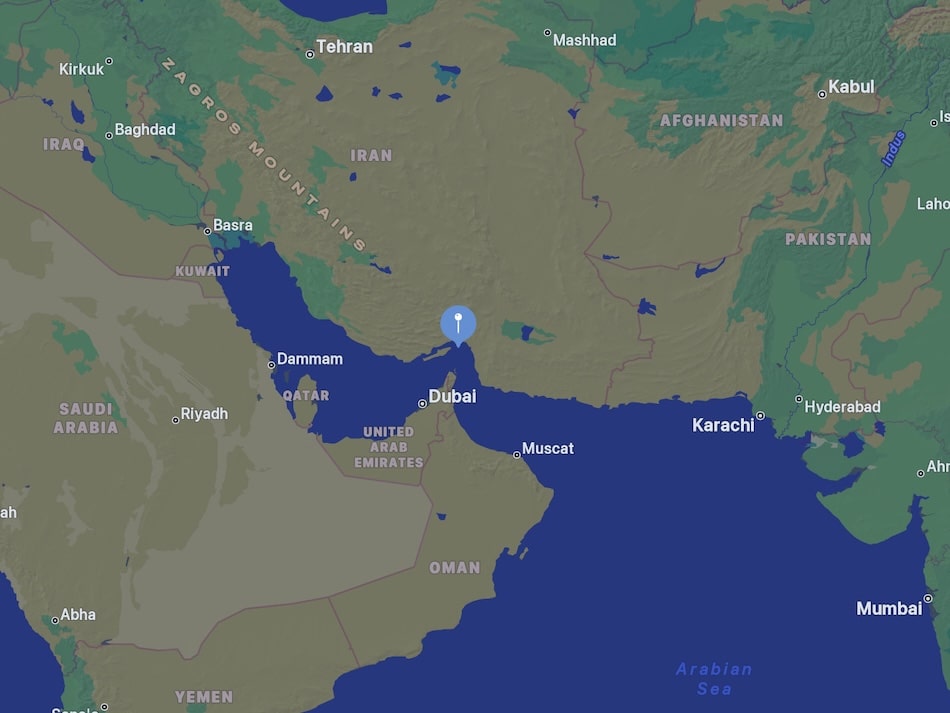
Bitcoin climbed to a high of $76,999 on Coinbase on April 17, up roughly 2.3% over the prior 24 hours, after Iran announced the Strait of Hormuz was fully open to commercial shipping.
At time of writing, bitcoin was trading around $76,781.
What happened with the strait
Iranian Foreign Minister Seyed Abbas Araghchi made the announcement via social media, stating:
“The passage for all commercial vessels through Strait of Hormuz is declared completely open for the remaining period of ceasefire.”
The declaration came in the wake of a 10-day Israel-Lebanon ceasefire that began Thursday at 5 p.m. ET.
Israel’s military campaign against Hezbollah — a close Iranian ally — had been a central sticking point in U.S.-Iran negotiations, and its pause appears to have unlocked the shipping corridor.
Vessels are still required to transit through a “coordinated route” designated by Iranian maritime authorities.
Oil crashes, risk assets rally
Oil markets reacted sharply, with WTI crude falling nearly 10% to around $85.90 per barrel — its lowest level since shortly after the war began in early March.
U.S. stock index futures rose about 1% across the board alongside the bitcoin move.
The bitcoin price had been hovering in a tight range, and the geopolitical relief gave it a fresh catalyst.
Why $76,000–$77,000 matters
Bitcoin was trading in the $76,000–$78,000 range in the days before the Feb. 5 crash that sent it tumbling all the way to $60,000.
In recent sessions, BTC has repeatedly pushed above $76,000 only to be met with quick selling pressure.
Analysts believe a sustained break toward $77,000 could open the door to significantly higher levels, and the bitcoin price drawdown from all-time highs chart shows just how far the asset remains from its peak.
With the Hormuz reopening reducing a major macro risk, traders are watching closely to see whether this move has the legs to hold.