
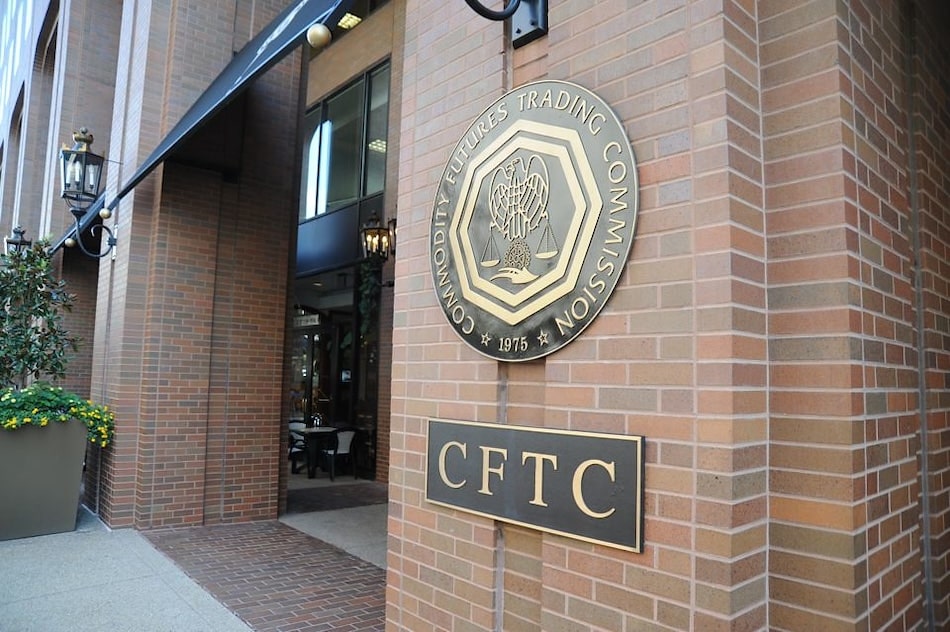
The U.S. Commodity Futures Trading Commission has approved bitcoin perpetual futures contracts on a regulated U.S. exchange for the first time, marking a significant shift in how American firms can engage with one of crypto’s most popular derivative products.
What are crypto perps?
A perpetual futures contract, or “perp,” lets investors speculate on future price movements in a crypto asset without an expiration date, meaning the position can be held indefinitely.
Typically amplified with leverage, perps can generate outsized gains on even minor bitcoin price moves — but losses can be equally sharp.
Until now, perps have largely been the domain of non-U.S. exchanges, with regulators historically pushing this activity offshore.
CFTC chairman calls it a ‘major step forward’
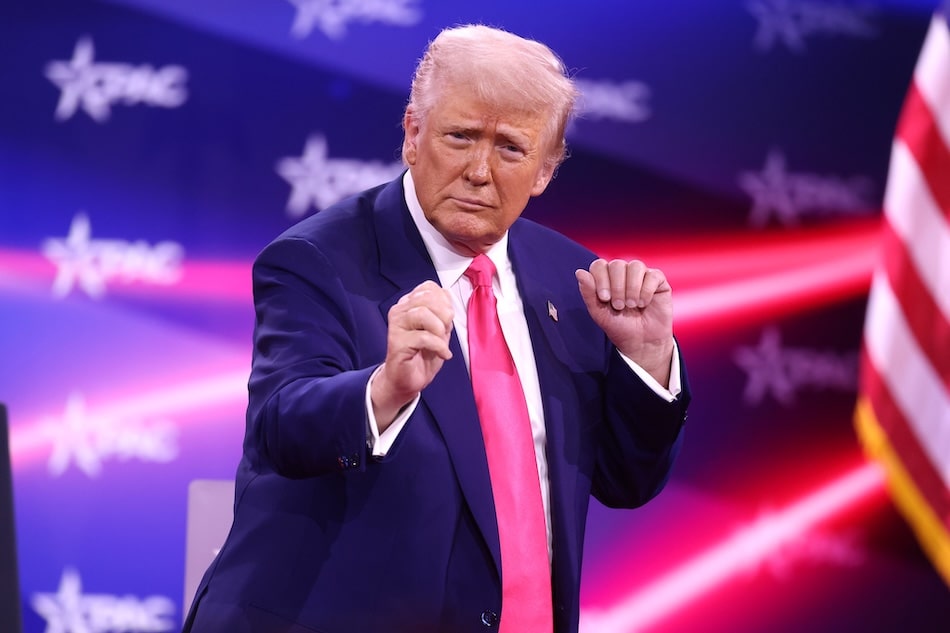
CFTC Chairman Mike Selig, appointed under President Trump, framed the approval as central to the administration’s crypto agenda.
In an opinion piece published Friday, Selig wrote:
“Having true perpetual contracts in the United States is a major step forward in delivering on President Trump’s goal of cementing America as the crypto capital of the world.”
Selig had previously said in March that the prior administration “drove a lot of these firms and the liquidity offshore,” and that his agency was working to reverse that damage.
He added that the CFTC’s framework would “limit excessive leverage, volatility and systemic risk.”
President Trump himself weighed in this week on social media, arguing that previous regulators “nearly DESTROYED the American Crypto Industry by driving Bitcoin, Crypto Perpetuals, and INNOVATION offshore.”
Risks and regulatory context
The announcement came just days after a flash crash in a Hyperliquid SpaceX perpetual contract wiped out roughly $1.5 million in notional value within 30 minutes, highlighting the risks thin liquidity can pose in perp markets.
The CFTC did not immediately name the regulated exchange receiving the first approval, though U.S.-regulated crypto derivatives venues include Coinbase, Kraken-acquired Bitnomial, Gemini, Kalshi, and Polymarket.
The new stance does not yet carry the weight of a formal rule, meaning a future administration could reverse it.
The CFTC and SEC have both been issuing guidance, no-action letters, and approvals to shape crypto policy while Congress works toward more permanent legislation.