
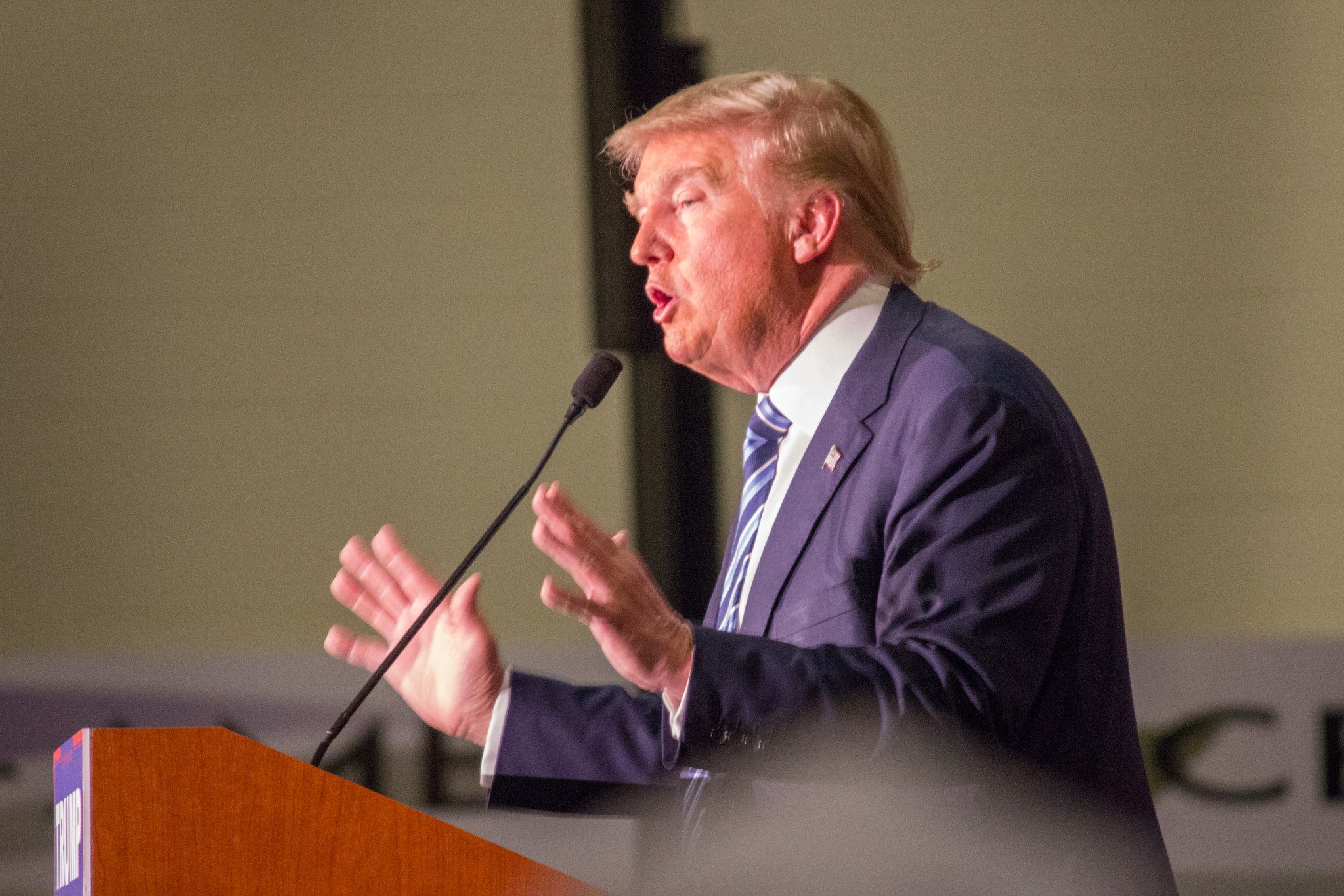
President Trump took to Truth Social on Tuesday to defend the cryptocurrency industry and the Commodity Futures Trading Commission’s authority over prediction markets, as a fierce jurisdictional battle plays out in Washington and statehouses across the country.
Trump’s crypto pledge
In his post, Trump framed the issue as a matter of global competition, writing:
“Where we are currently the Crypto (Bitcoin, etc.) Capital of the World, other Countries are trying diligently to replace us in that capacity, but we won’t let that happen.”
He also stressed the regulatory stakes, stating:
“It is critically important that the CFTC’s exclusive authority over Prediction Markets is maintained, and that they will thrive. Under my leadership, we are setting ‘rules of the road’ that are the Gold Standard for the States.”
The posts came after a major New York Times investigation revealed the CFTC had helped advance prediction markets “at virtually every turn” while softening regulatory enforcement of digital currencies, including by cutting staff and sidelining career officials.
State vs. federal clash
Trump and his CFTC allies argue prediction markets are federal financial markets, not gambling operations.
But a growing coalition of governors and state attorneys general from both parties disagree, contending that event-contract betting — especially on sports — is gambling by another name and belongs under state jurisdiction.
Minnesota Gov. Tim Walz signed a first-of-its-kind law last week banning prediction market sites from operating in the state.
The Trump administration responded by suing Minnesota to assert the CFTC’s authority.
Conflicts of interest scrutiny
Trump and his family have financial ties to both industries at the center of the dispute.
His eldest son, Donald Trump Jr., has ties to Kalshi and Polymarket, the two largest prediction market platforms.
Trump himself is linked to World Liberty Financial, a crypto venture that has drawn scrutiny alongside his broader embrace of the digital asset space.
New York Attorney General Letitia James recently sued Coinbase and Gemini, alleging they were “running gambling operations” in New York through their prediction market platforms.
Both companies maintain they are regulated at the federal level, not by the states.
What’s at stake
The outcome of the jurisdictional fight will determine whether prediction markets can operate freely nationwide or face a patchwork of state-level bans.
Trump called out Walz and James by name in his post, signaling the White House intends to fight state-level efforts aggressively.
As scrutiny of Trump’s personal financial interests in crypto and prediction markets intensifies, the debate over who regulates these industries — and who benefits — shows no sign of slowing.