
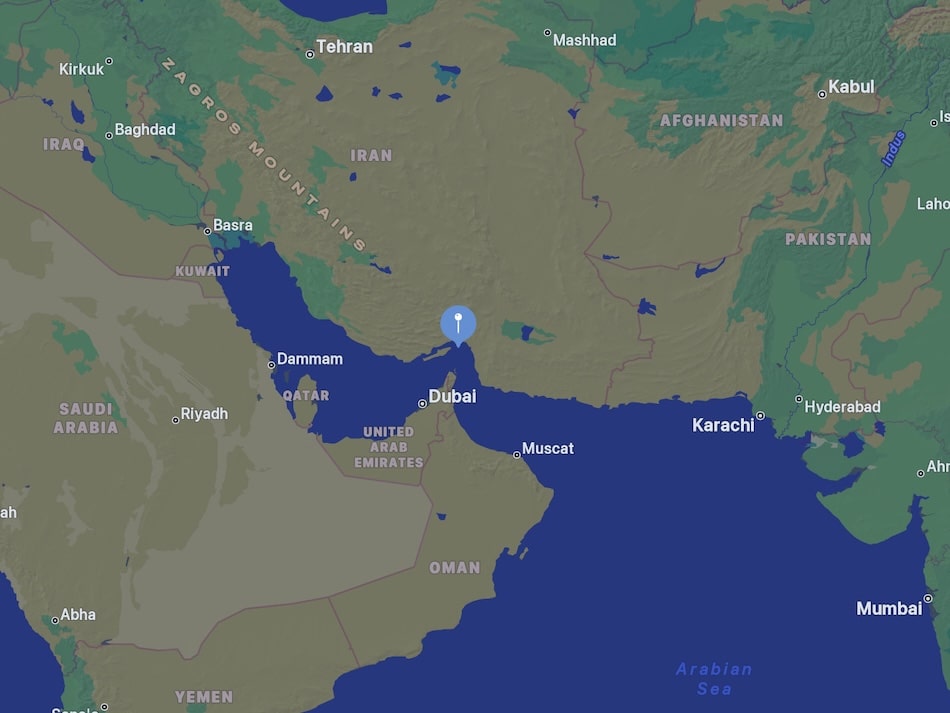
Iran has launched a Bitcoin-backed insurance service for shipping companies transiting the Strait of Hormuz, state-affiliated Fars news agency reported, citing documents from Iran’s Ministry of Economy and Financial Affairs.
Dubbed Hormuz Safe, the platform settles marine insurance policies and financial responsibility certificates in Bitcoin, with coverage activating immediately upon blockchain confirmation.
How the platform works
Iran’s Economy Ministry had been exploring the model since late April, according to Fars.
The platform’s rules describe “fast and cryptographically verifiable insurance policies” for cargo moving through the Persian Gulf, the Strait of Hormuz, and surrounding waterways, with payments “settled in Bitcoin.”
The Iranian government claims the scheme could generate more than $10 billion in revenue for the country, though no time frame or detailed breakdown was provided.
This follows earlier reports from over a month ago that Iranian officials sought Bitcoin payments from oil tankers seeking passage through the strait, arguing the fees would be harder to trace or seize under sanctions.
Analysts are skeptical
Observers say the model may be technically possible but difficult to scale beyond sanctioned or niche trade channels.
Ryan Yoon, senior analyst at Tiger Research, called the platform’s technical and legal viability “highly doubtful,” noting no confirmed users despite its reported launch.
He added that any shipping company using Hormuz Safe faces “immediate expulsion from the global financial system” due to U.S. secondary sanctions risk.
Bitcoin’s transparency cuts both ways
Bitcoin’s public ledger could actually work against Iran’s goals here.
Agne Linge, a board advisor to Wefi, told Decrypt that Iran-linked wallet addresses would be exposed on-chain, and related coins could become “tainted” as blockchain analytics firms flag those flows.
While Bitcoin helps route around sanctions, it remains a limited solution because liquidity constraints, traceability, and fiat off-ramps still create exposure — and crypto does not solve counterparty trust or enforceable reinsurance, John added.
Scammers have already moved to exploit the situation, with reports of fraudsters impersonating Iranian authorities and demanding Bitcoin or USDT from ships seeking transit clearance through the strait.