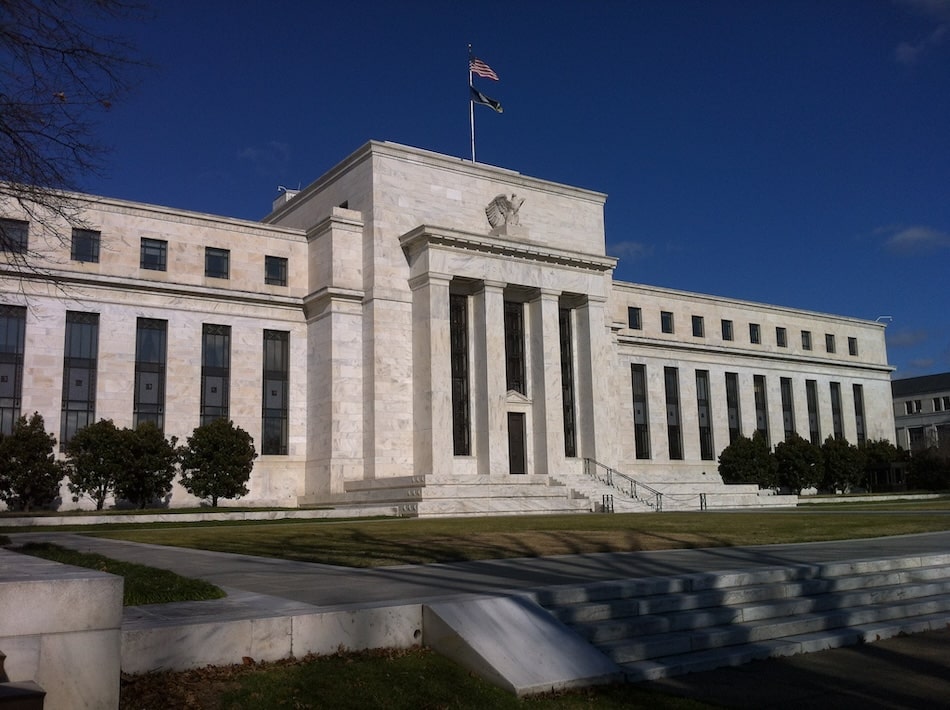

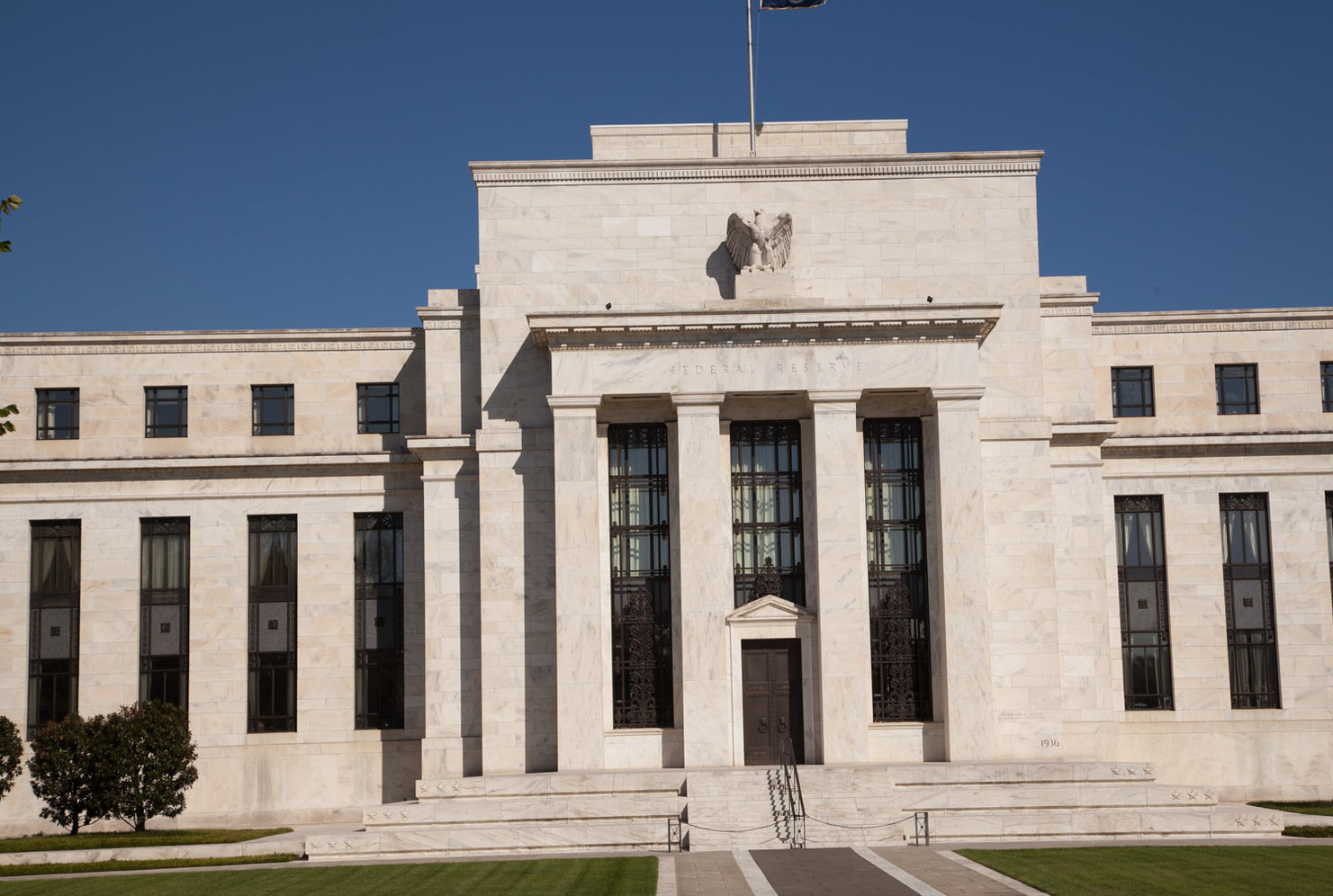
The Federal Reserve held its key interest rate unchanged in the 3.50%-3.75% range on Wednesday, but nearly half of its policymakers signaled they could support a rate hike before year-end — a sharp hawkish pivot under new Chair Kevin Warsh.
Rate hike projections surge
Nine of 19 Fed officials now anticipate at least one rate increase in 2026, with six of those supporting two or more quarter-point hikes.
That’s a dramatic shift from March, when no policymakers penciled in a hike and the committee as a whole forecast one cut.
The change reflects inflation running at a three-year high of 4.2%, driven partly by energy costs tied to the Iran conflict that began in late February.
Warsh, at his debut press conference, struck a hawkish tone:
“We’ve missed on inflation for five years and we’re going to fix that. When we deliver on our price stability objectives, which we will, the American people will feel as though the hardships that they’ve been living through are in the rear view mirror.”
Forward guidance eliminated
The FOMC’s post-meeting statement was stripped down dramatically, dropping all hints about future rate moves — a hallmark of Warsh’s long-standing criticism of Fed communication practices:
“I can’t give you any forward guidance about what we’re going to do next. The good news is we’ll be meeting in six weeks.”
Thomas Simons, chief U.S. economist at Jefferies, called the changes “profound”:
“The word count dropped substantially and the modest amount of forward guidance present showed two-way risks to the next move for policy. This is a return to a more Greenspan-era style of post-meeting communications.”
Market reaction and outlook
Stocks sold off sharply and bond yields jumped after the announcement.
Investors now see the Fed potentially raising rates as soon as September.
Warsh also announced five task forces to review how the central bank handles communications, data sources, and its inflation framework.
The Fed’s updated projections marked inflation expectations for year-end up to 3.6% from 2.7%, while the unemployment rate outlook was nudged down slightly to 4.3%.
Deutsche Bank’s Matthew Luzzetti summed up the mood:
“The risk that they might need to raise rates has clearly risen given what we got today.”