
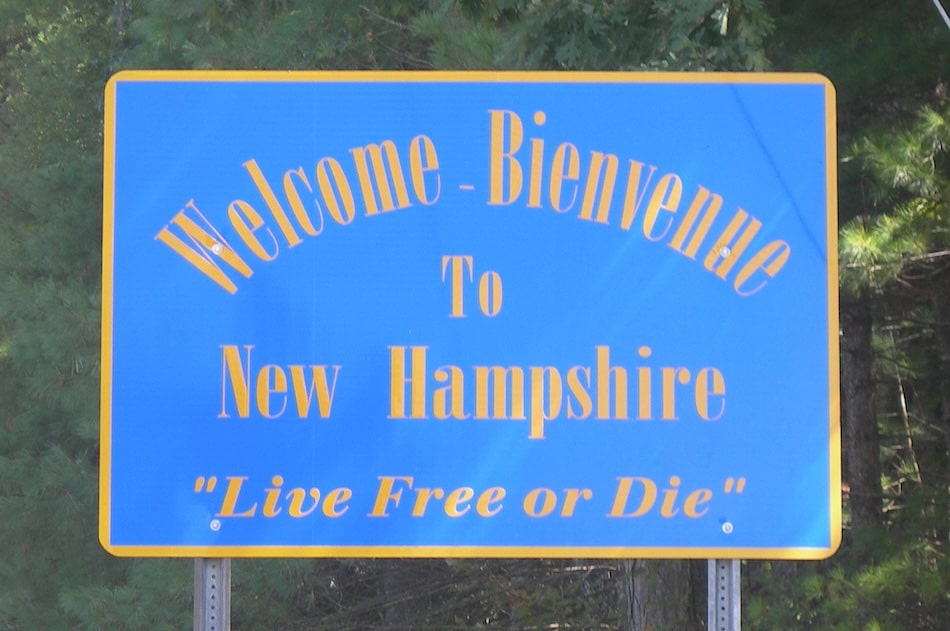
The New Hampshire Executive Council rejected a plan on Wednesday that would have authorized the state to establish a $100 million bond backed by Bitcoin.
The five councilors voted 3-2 against the proposal, which the New Hampshire Business Finance Authority and Governor Kelly Ayotte had touted as a “groundbreaking” and “historic” move to attract digital finance innovators.
Concerns over volatility
Those who posed skeptical questions during the meeting expressed more wariness than outright resistance.
Karen Liot Hill, the lone Democrat, said:
“I’m not opposed to Bitcoin or cryptocurrency in general. But I do think that we are being asked as a state to lend a kind of legitimacy to a financial transaction, which is from an emerging asset class that has been shown to be very volatile.”
James Key-Wallace, executive director of the Business Finance Authority, pushed back on that characterization.
“I wouldn’t call them ‘emerging. They’ve emerged. They’re here. They’ve been around awhile.”
Zero risk to taxpayers
Key-Wallace explained that the plan would carry zero risk for New Hampshire taxpayers.
The loan agreement would establish a conduit between private investors and a private borrower, with cryptocurrency as collateral, meaning the state wouldn’t be responsible for paying anything off even if Bitcoin’s price were to tank.
If Bitcoin rose substantially over the plan’s three-year term, the authority could collect millions in fees that would be reinvested into small businesses, child care, housing, and economic development.
The final vote
Ayotte, who signed a law last year giving the state treasurer discretion to invest in Bitcoin, said there is value in being first to embrace new technology.
Liot Hill moved to table the proposal, but none of her colleagues seconded the motion, leading to the final vote. Janet Stevens and David Wheeler joined her in opposition, while Joseph Kenney and John Stephen voted in favor.
Key-Wallace said Thursday that his team remains committed to presenting the idea again in the future.