

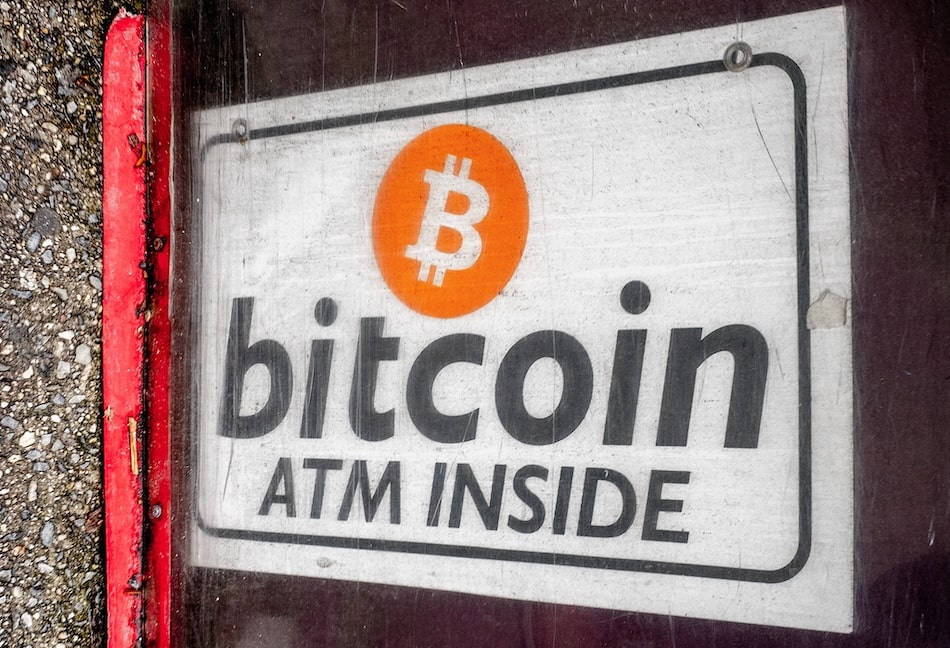
Canada’s federal government is planning to ban crypto ATMs to address rising fraud, CBC News reported Tuesday.
Officials say these machines are widely used by scammers to collect money from victims and move illicit funds.
A largely unregulated industry
Canada currently hosts nearly 4,000 of these machines, the second-highest concentration per capita on Earth, according to Coin ATM Radar.
Despite that density, the country has operated without any industry-specific regulations, with crypto ATMs simply lumped in with other “money services businesses” — a category that also includes Western Union and ordinary currency exchange counters.
Media reports and law enforcement accounts describe cases where elderly Canadians are coached into depositing cash from retirement savings into bitcoin ATMs at gas stations and convenience stores.
Global crackdowns already underway
Other countries have moved faster on this front.
The UK effectively restricted crypto ATMs in 2021 by requiring all operators to register with the Financial Conduct Authority — and as of 2026, no operator has obtained that registration, making every machine in practice illegal.
New Zealand has introduced legislation to ban them entirely, while Australia’s financial intelligence agency AUSTRAC imposed per-transaction cash limits in mid-2025.
In the US, roughly half of all states have proposed or enacted rules targeting crypto ATMs, including daily spending caps and requirements that operators reimburse scam victims.
The FBI reported Americans lost more than $333 million to crypto-ATM scams in 2025 alone, and Maine secured a $1.9 million settlement with Bitcoin Depot over allegations its kiosks helped facilitate fraud.
What the ban means for Canadians
For operators like Bitcoin Well and Localcoin, which collectively run hundreds of machines across Canada, an outright ban would be an existential threat.
The government says people will still be able to buy crypto through regulated in-person services, but some Canadians who rely on cash-to-crypto services warn they will have few alternatives, since many Canadian banks already restrict or block transfers to crypto exchanges.