
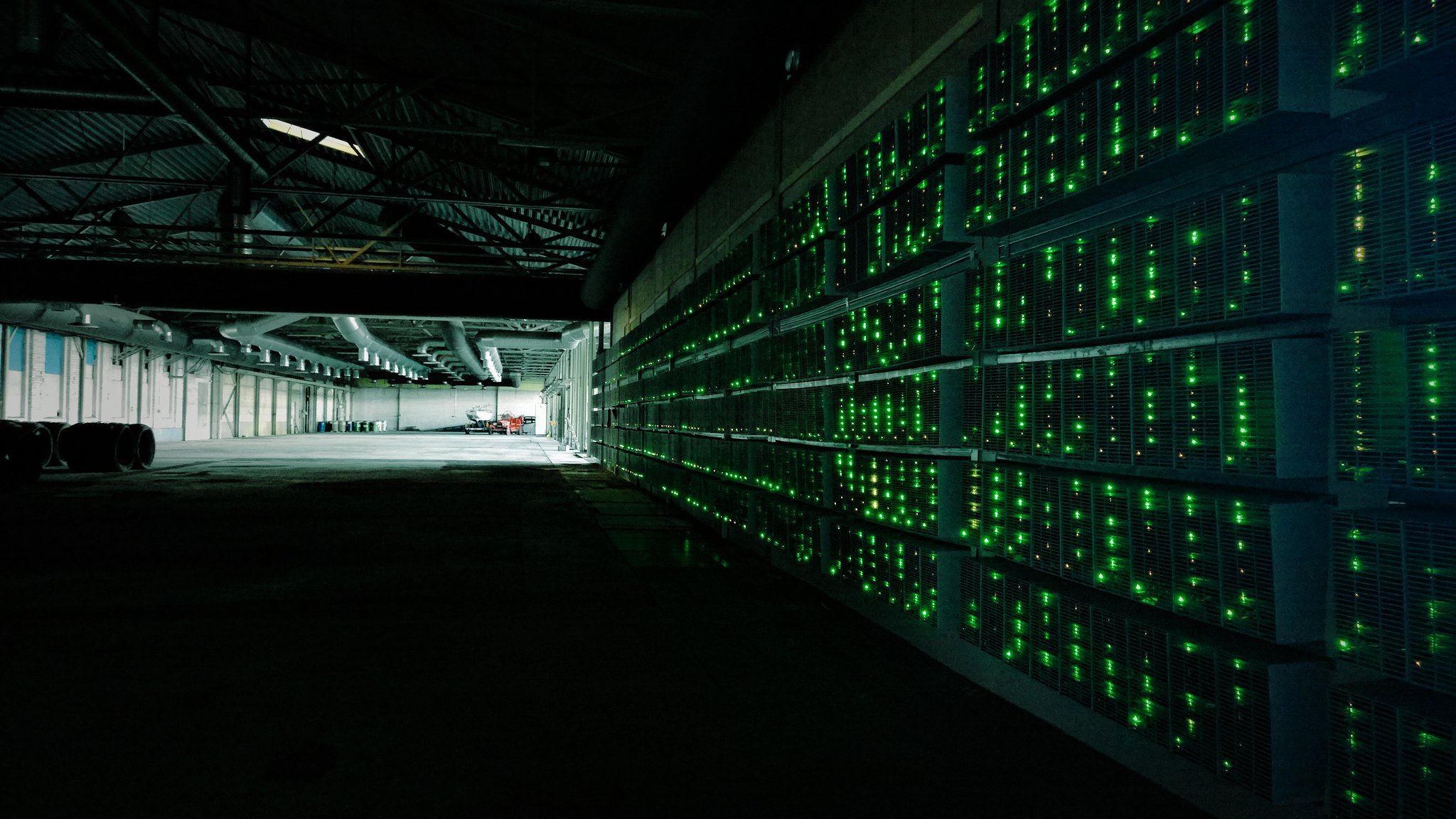
Bitcoin’s mining difficulty fell to approximately 135.5 T on Saturday, a modest 1.1% decrease, according to CoinWarz data.
Despite the dip, the next adjustment is expected to push difficulty higher.
CoinWarz stated:
“The next Bitcoin difficulty adjustment is estimated to take place on May 01, 2026, increasing the Bitcoin mining difficulty from 135.59 T to 137.43 T, which will take place in 1,865 blocks, about 12 days, 18 hours, and 41 minutes from now.”
Public miners sell record BTC
Publicly traded Bitcoin mining companies sold more BTC in Q1 2026 than in all four quarters of 2025 combined, according to TheEnergyMag.
Mining companies including MARA, CleanSpark, Riot, Cango, Core Scientific, and Bitdeer collectively sold more than 32,000 BTC during the quarter.
That figure surpasses the 20,000 BTC sold in Q2 2022, the same quarter that saw the collapse of the Terra-Luna ecosystem and the start of an extended crypto bear market.
Miners squeezed on multiple fronts
Miners periodically sell BTC to cover operating expenses denominated in fiat currency, but the pressure has intensified as the cost of mining a single coin now approaches or exceeds spot prices for many operators.
Up to 20% of Bitcoin miners are currently unprofitable under present economic conditions, according to CoinShares’ Q1 2026 mining report.
The report noted:
“Q4 2025 marked the most challenging quarter for Bitcoin miners since the April 2024 halving.”
What’s driving the pressure
CoinShares cited the sharp BTC correction in October 2025, which pulled the price from roughly $125,000 down to about $86,000 by December, alongside rising network hashrate and computational difficulty as the primary headwinds.
The block subsidy halving in April 2024 also cut per-block revenue by 50%, compounding the financial strain on miners who have yet to see prices recover sufficiently to restore margins.