
The US Treasury’s Office of Foreign Assets Control (OFAC) has sanctioned Nobitex, Iran’s largest cryptocurrency exchange, along with three other Iranian digital asset platforms, as part of what the Trump administration is calling “Economic Fury” — its maximum pressure campaign against the Iranian regime.
What Nobitex is accused of
Nobitex processed over 50% of all Iranian digital asset inflows in 2025, according to Treasury.
The exchange allegedly facilitated payments tied to the Islamic Revolutionary Guard Corps (IRGC), including transactions for wallets linked to IRGC-affiliated ransomware actors.
It also reportedly helped Iran’s central bank access hundreds of millions of dollars in stablecoins to prop up the collapsing Iranian rial, while enabling regime insiders to reach international exchanges and evade sanctions across multiple jurisdictions.
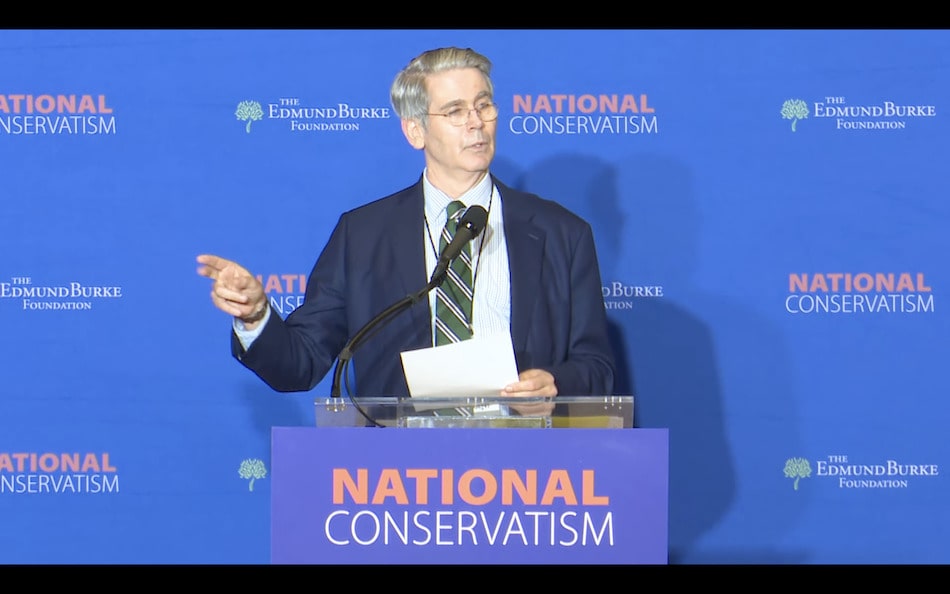
Treasury Secretary Scott Bessent said:
“While Iran’s economy is in free fall, the regime has chosen to co-opt digital asset technologies for its own corrupt agenda, including evading sanctions and transferring wealth out of the country.”
Key individuals sanctioned
OFAC also designated Nobitex’s chairman and co-founder Amir Hossein Rad, who reportedly helped reconstitute the exchange’s operations after a $90 million hack on June 18, 2025.
Two other co-founders — Seyed Mohammad Ali Aghamir Mohammad Ali and Seyed Mohammad Aghamir Mohammad Ali — were sanctioned as members of the Kharrazi family, described as part of Supreme Leader Khamenei’s inner circle.
The current CEO, Seyed Ali Khoee, was also designated.
Three other exchanges hit
Beyond Nobitex, Treasury sanctioned three additional Iranian platforms.
Wallex, Iran’s second-largest exchange, received 12% of all Iranian digital asset inflows in 2025 and facilitated numerous IRGC-linked transactions.
Bitpin received 10% of Iranian digital asset inflows and processed millions in IRGC-linked transactions, with investors reportedly tied to US sanctions evasion efforts.
Ramzinex, founded in 2018 and based in Tehran, processed over $2.45 billion in total transactions, including for IRGC-linked entities and an Iranian government-backed financial institution.
Treasury noted it has already frozen nearly half a billion dollars in regime-linked cryptocurrency as part of the broader Economic Fury campaign, and warned it may impose secondary sanctions on foreign financial institutions facilitating Iran’s activities.