
President Donald Trump has publicly called on the U.S. Senate to pass the Digital Asset Market Clarity Act, the most consequential piece of crypto legislation to reach Congress in years.
The Senate returned to Washington on July 13 with roughly four weeks to schedule, debate, and pass the bill before the August recess.
Trump weighs in
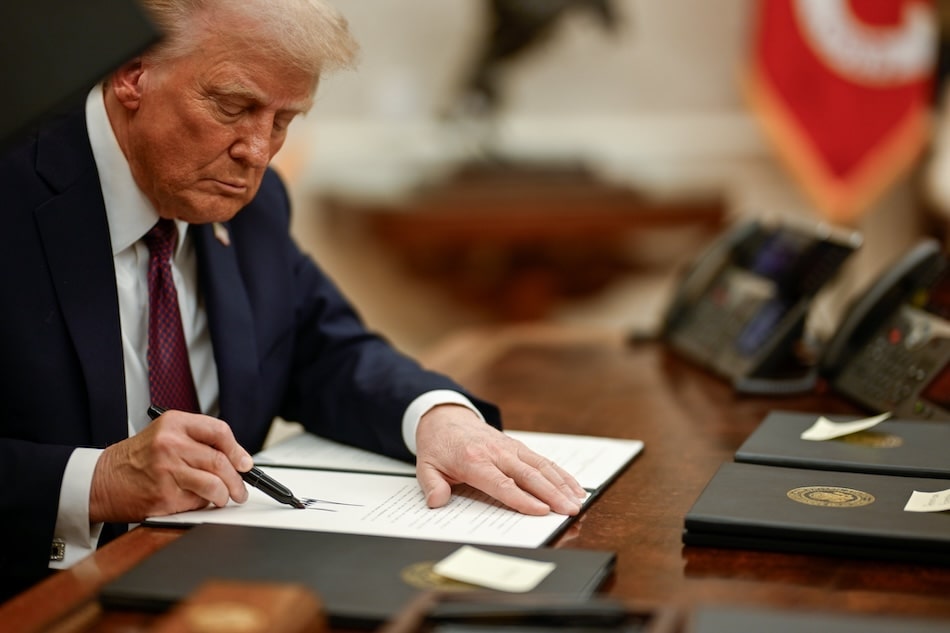
Trump posted directly on Truth Social on Monday, framing the legislation as a matter of global financial competition:
He wrote:
“In honor of Senator Lindsey Graham, a big supporter, the U.S. Senate should pass the Clarity Act. China, and many other countries, would like to take complete and total control of this major financial ‘happening,’ as well as A.I., where we are now leading, but where they are fighting hard. Don’t let China win on either subject!!! President DONALD J. TRUMP”
White House crypto adviser Patrick Witt amplified the message, noting the week coincides with the one-year anniversary of the GENIUS Act and cautioning:
“We cannot afford to delay any longer.”
What the bill does
The CLARITY Act would draw a firm regulatory line between the SEC and the CFTC.
It grants the commodities regulator exclusive jurisdiction over spot markets for “digital commodities,” while leaving the SEC to oversee investment-contract assets.
Legislative path
The bill cleared the House in July 2025 by a bipartisan 294–134 vote.
It then advanced out of the Senate Banking Committee in May by a 15–9 margin, with two Democrats joining all Republicans.
To pass the full Senate, the bill needs 60 votes.
This week’s milestone is updated text merging the Senate Banking and Agriculture Committee versions, the clearest signal yet of what survived negotiations and what remains unsettled.