

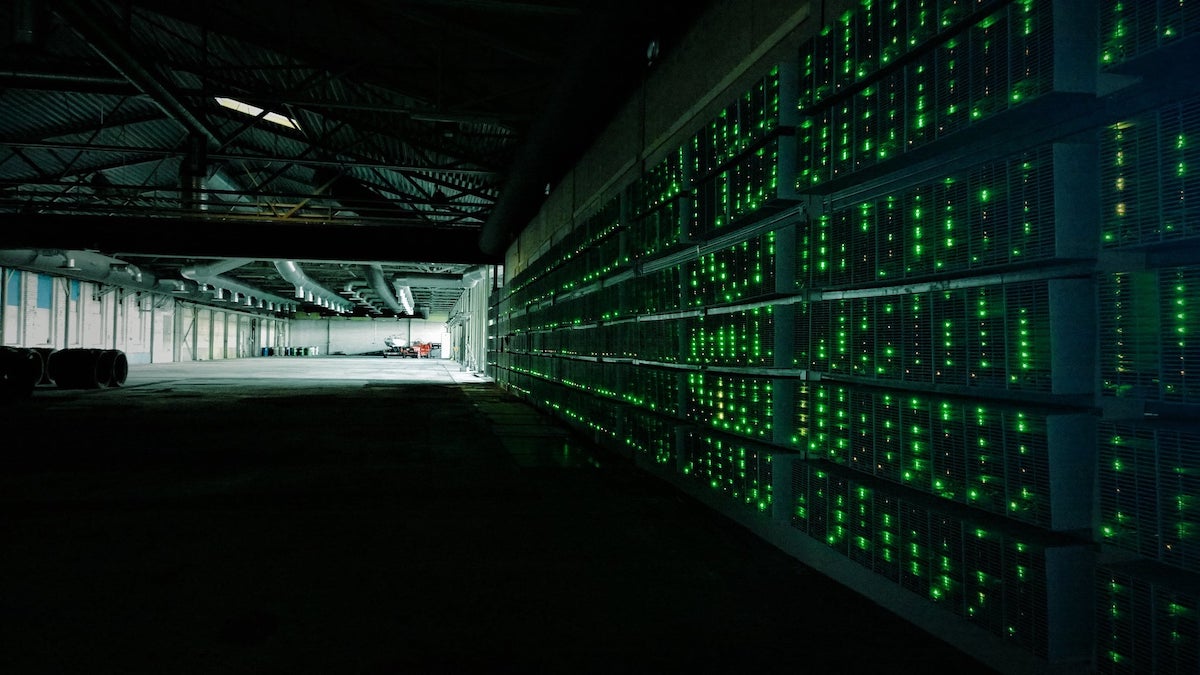
Colombian President Gustavo Petro wants to turn the country’s Caribbean coast into a bitcoin mining hub, pitching surplus clean energy as the foundation for the plan.
The proposal
In a post on X, Petro named the cities of Barranquilla, Santa Marta, and Riohacha as potential mining locations, calling it:
“An immense boost to the development of the Caribbean.”
He also floated giving the Wayúu community, Colombia’s largest Indigenous group based on the same coast, co-ownership of any mining projects that emerge.
A 2024 World Bank report found Colombia generates around 75% of its electricity from renewable sources, more than twice the global average.
The Caribbean coast in particular holds wind and solar capacity that has barely been tapped commercially.
The Paraguay playbook
Petro’s remarks were a direct response to a post from Luxor Technology’s Alessandro Cecere, who flagged that Paraguay’s share of global hashrate has climbed to 4.3%, making it the fourth-largest bitcoin mining jurisdiction in the world behind only the U.S., Russia, and China.
Paraguay’s mining operations run on 100% renewable energy, anchored by the Itaipu Dam and two smaller hydro plants that generate roughly six times what its 7 million residents consume.
Industrial miners first moved there in 2021–2022 when electricity was available for around $0.03 per kilowatt-hour, though costs have roughly doubled since.
The U.S. opening
The opportunity for emerging mining countries is widening partly because of a shift happening in the United States.
Publicly listed American miners have been pivoting toward AI and high-performance computing, signing more than $70 billion in cumulative AI contracts and drawing down their bitcoin holdings to fund the transition.
As U.S. operators chase higher-margin AI work, a growing share of global hashrate is up for grabs by countries with cheaper electricity and more accommodating governments.
Colombia ticks both boxes on paper, though moving from a social media post to actual policy frameworks, mining licenses, and tariff agreements could prove to be a significant challenge.