

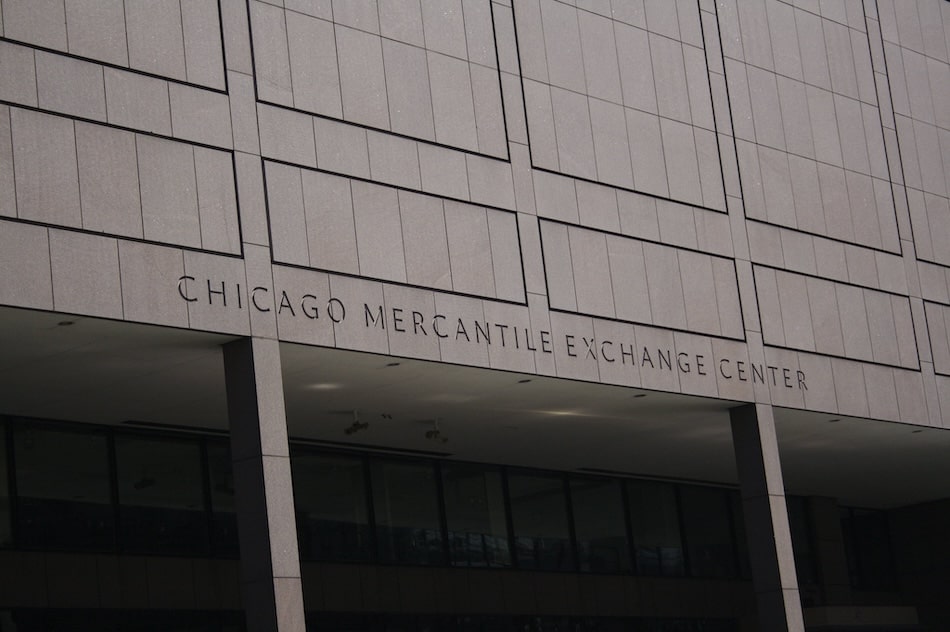
Outgoing CME Group CEO Terrence Duffy announced on CNBC’s “Fast Money” that the exchange operator will sue the Commodity Futures Trading Commission over its decision to approve perpetual futures in the United States.
The lawsuit, which Duffy said would be filed Thursday, centers on a legal argument that perpetual futures — futures contracts with no expiration date — are actually swaps under the Dodd-Frank Act and should be regulated as such.
Why CME is fighting back
The CFTC approved prediction market platform Kalshi in late May to begin offering bitcoin perpetual futures, marking the first time the product was permitted in the U.S. despite being widely traded on offshore exchanges.
Kalshi has since expanded its perps offerings to include other cryptocurrencies.
Duffy argued that CME holds exclusive licensing agreements with benchmark providers, meaning these products would need to be routed through CME regardless:
“We have an exclusive license with every single provider of the benchmarks. So all of these would have to go through CME regardless of the perpetual.”
He added that the products should be listed as swaps if they were to proceed under the current legal framework.
An eight-month plan
Duffy, who will step down as CEO in March 2027, said he had been working on the legal strategy with his board for eight months:
“I’ve never shied away from one, and I won’t shy away from this. I’m prepared, and I will be prepared to go through this.”
The CME currently dominates regulated bitcoin futures trading in the U.S., and the introduction of perpetual futures through competitors like Kalshi threatens that position directly.
CFTC defends its stance
Earlier this week, CFTC chair Michael Selig defended the agency’s approval in a separate CNBC appearance, saying:
“It’s time to approve regulated futures contracts that have no expiration date. We’re going to make sure the product’s available, but it’s well regulated here in the U.S.”
The CFTC did not immediately respond to requests for comment on the planned lawsuit.