
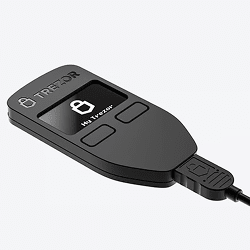
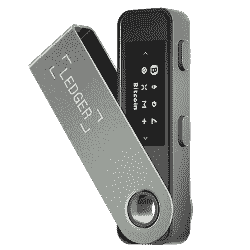
Trezor Model One vs Ledger Nano S Plus


Key differences
- The Model One is more affordable at $49, while the Nano S Plus is priced at $79.
- The Nano S Plus features a larger 1.09” screen with a trusted display, while the Model One has a smaller 0.96” monochrome screen.
- Trezor's Model One offers full open-source hardware and software, while Ledger Nano S Plus is closed-source at the hardware level.
Jump to section
Launch
2014
2022
Screen Size
0.96" Monochromatic OLED screen
1.09” Monochrome OLED display
Box Includes
- Trezor Model One hardware wallet
- Micro USB → USB-A cable
- Wallet backup cards
- Start-up guide
- Stickers
Ledger Nano S Plus hardware wallet, USB-C to USB-A cable, getting started leaflet, 3 recovery sheets, 1 keychain strap
Security Features
Passphrase Support
Passphrase Entry
Computer
-
PIN Protection
Shamir Secret Sharing
Tor Support
Usage
Platforms
- Windows
- macOS
- Linux
- Android
- Windows
- macOS
- Linux
- Android
- iOS
Supported Coins
Bitcoin & 1000+ other coins and tokens
Secure and manage over 5,500 different coins and tokens including Bitcoin, Ethereum, XRP, USD Tether, Polkadot, Litecoin, and more.
Interfaces
Micro USB, Two-button pad
USB-C
Technical Details
Secure Elements
Secure Element chip
CC EAL6+ certified ST33K1M5 chip
Open Source
Hardware & Software
Software
FIDO Authentication
Size
60x30x6 mm (2.4x1.2x0.2 in)
62.39x17.40x8.24mm (2.45x0.68x0.32 in)
Weight
12g (0.4oz)
21g (0.7oz)
Bitcoin-Only Version
Integration & Multisig
Integrations
Multisig Support ?Multi-signature wallets require multiple keys to authorize transactions (e.g., 2-of-3). Adds security by eliminating single points of failure.
Display Technology
Display Type
Not specified
Monochrome OLED
Touchscreen
No (button controls)
No (button controls)
Build Quality
Body Material
Not specified
Plastic + stainless steel swivel
Water Resistance ?IP67 rating means fully dustproof and can survive submersion in 1 meter of water for 30 minutes. Protects against accidental spills and drops.
Not rated
Not rated
Haptic Feedback ?Vibration feedback when pressing buttons or confirming actions. Provides tactile confirmation that your input was registered.
No
No
Connectivity & Power
Bluetooth ?Wireless connectivity for pairing with mobile devices. Enables cable-free transactions but some users prefer USB-only for security.
No
No
NFC ?Near Field Communication for tap-to-connect with compatible devices. Convenient for quick mobile transactions.
No
No
Wireless Charging
No
No
Cable Type
USB-C
USB-C to USB-A
Battery
No battery (USB powered)
No battery (USB powered)
Advanced Security
Quantum Ready ?Designed to receive firmware updates with quantum-resistant cryptography. Protects against future threats from quantum computers that could break current encryption.
No
No
Dual Secure Element ?Uses two separate secure chips instead of one. Provides redundancy and additional tamper protection for storing your private keys.
Single chip
Single chip
iOS Compatibility ?"Full" means you can send, receive, and manage crypto on iPhone. "Limited" typically means view-only or requires desktop for transactions.
Limited (check balances only)
Limited (check balances only)
Company Details
Parent Company
SatoshiLabs
Ledger
Parent Company Founded
2013
2014
Security Incidents
In March 2024, Ledger discovered a vulnerability in the microcontroller that could bypass firmware integrity checks. Trezor patched the issue, with no user funds compromised or action required.
A crypto user claims they lost $2.5 million in Bitcoin and NFTs from a Ledger Nano S, sparking scrutiny over Ledger's security. While the user insists the seed phrase was secure, the incident has reignited debate over hardware wallet vulnerabilities and possible user error.
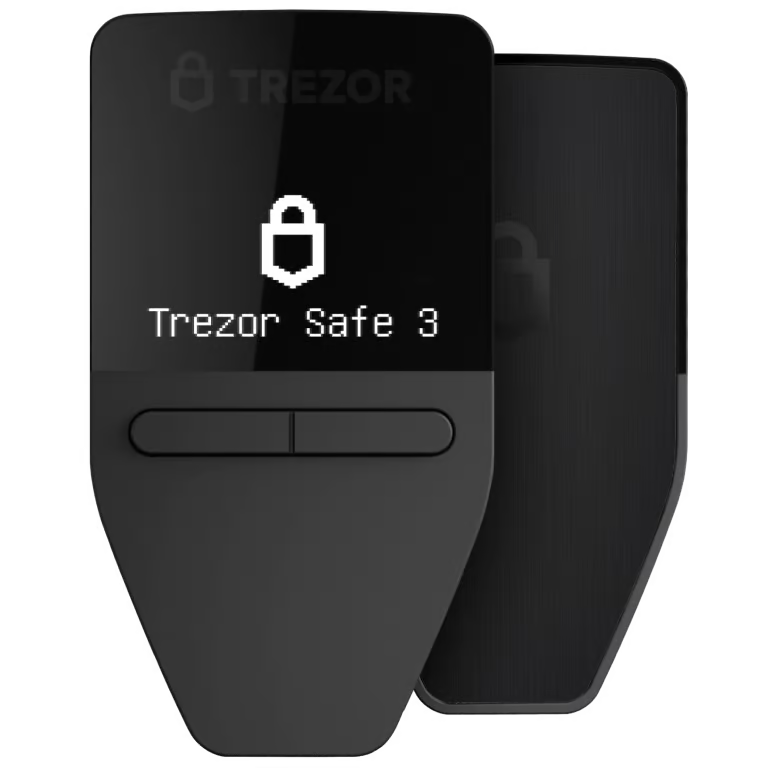 Trezor Safe 3
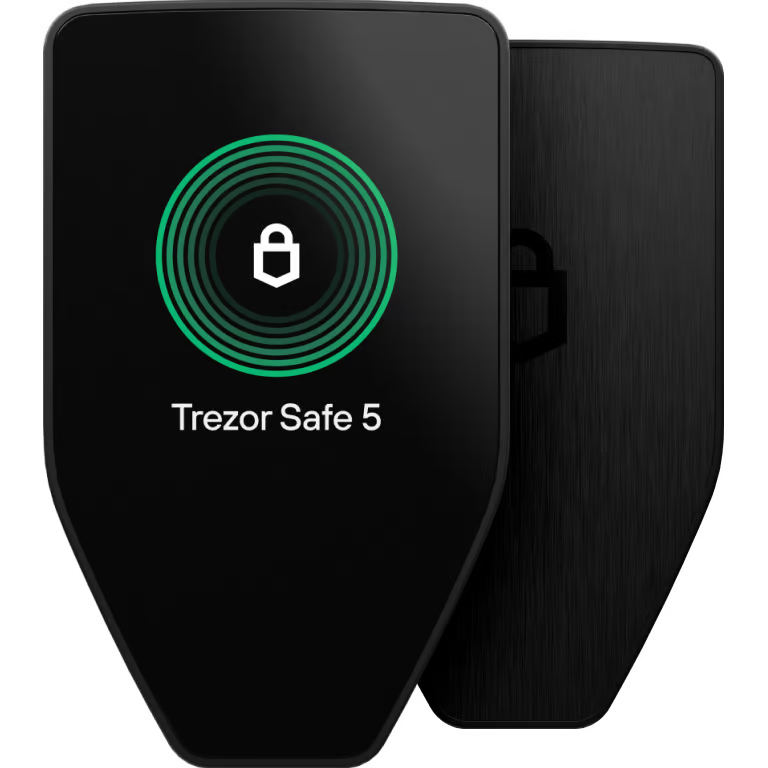 Trezor Safe 5
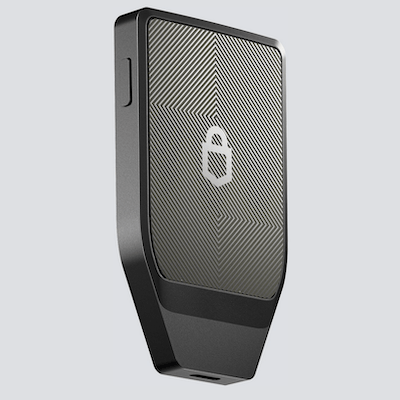 Trezor Safe 7
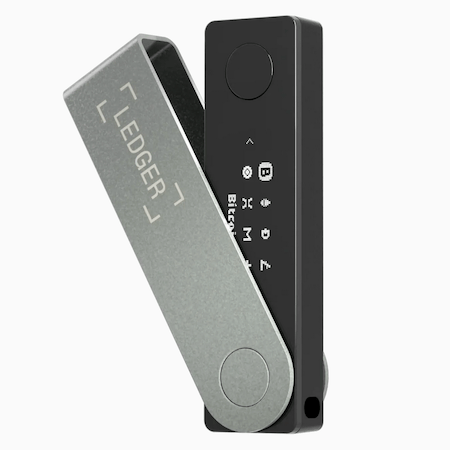 Ledger Nano X