
BitBox vs Bitkey
Jump to section
Launch
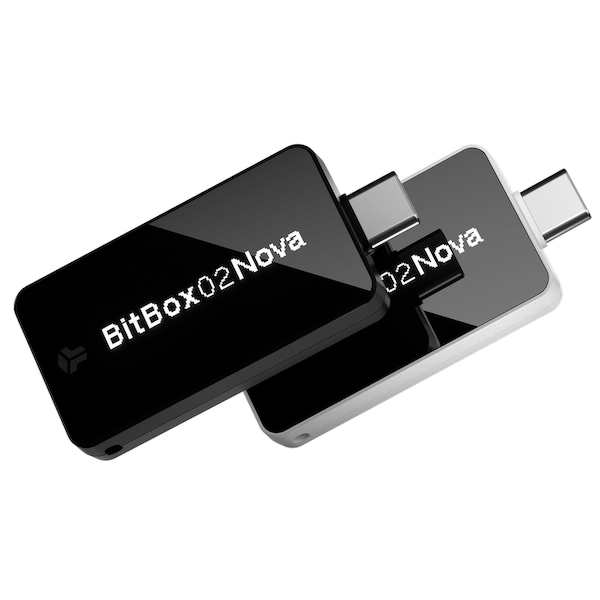
2025
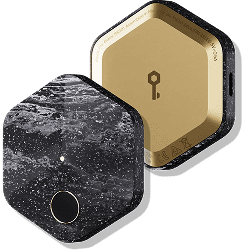
2023
Screen Size
128 x 64px white OLED with glass top
No display
Box Includes
Security Features
Passphrase Support ?An optional extra word added to your recovery phrase for additional security. Creates a hidden wallet that's invisible without the passphrase.
Passphrase Entry
Device or computer
-
PIN Protection ?A numeric code required to unlock your device. Protects against unauthorized physical access to your wallet.
Shamir Secret Sharing ?Splits your backup into multiple shares (e.g., 3-of-5). You need a minimum number of shares to recover your wallet, reducing single point of failure risk.
Tor Support ?Routes your connection through the Tor network for enhanced privacy. Hides your IP address and location when checking balances or broadcasting transactions.
Advanced Security
Quantum Ready ?Designed to receive firmware updates with quantum-resistant cryptography. Protects against future threats from quantum computers that could break current encryption.
Dual Secure Element ?Uses two separate secure chips instead of one. Provides redundancy and additional tamper protection for storing your private keys.
iOS Compatibility ?"Full" means you can send, receive, and manage crypto on iPhone. "Limited" typically means view-only or requires desktop for transactions.
Usage
Platforms
Supported Coins
Bitcoin & 1500+ ERC20 coins and tokens
Bitcoin Only
Interfaces
USB-C, Bluetooth
NFC, USB-C
Technical Details
Secure Elements ?A tamper-resistant chip that securely stores your private keys. Certified chips (EAL5+/EAL6+) have passed rigorous security testing.
Dual Chip Security (OPTIGA Trust M V3 EAL6+ & ATSAMD51J20A)
Fingerprint scanner, 2-of-3 multisig setup
Open Source ?Code that anyone can inspect, audit, and verify. Open-source wallets allow security researchers to find and report vulnerabilities.
Firmware
Software
FIDO Authentication ?Use your hardware wallet as a security key for 2FA login to websites and services. More secure than SMS or authenticator apps.
Size
54.5x25.4x9.6 mm including USB-C plug
56 mm x 62 mm x 13 mm (2.20 x 2.44 x 0.51 in)
Weight
13g (0.5oz)
65g (2.3oz)
Bitcoin-Only Version
Display Technology
Display Type
Touchscreen
Build Quality
Body Material
Water Resistance ?IP67 rating means fully dustproof and can survive submersion in 1 meter of water for 30 minutes. Protects against accidental spills and drops.
Haptic Feedback ?Vibration feedback when pressing buttons or confirming actions. Provides tactile confirmation that your input was registered.
Connectivity & Power
Bluetooth ?Wireless connectivity for pairing with mobile devices. Enables cable-free transactions but some users prefer USB-only for security.
NFC ?Near Field Communication for tap-to-connect with compatible devices. Convenient for quick mobile transactions.
Wireless Charging
Cable Type
Battery
Integration & Multisig
Integrations
Multisig Support ?Multi-signature wallets require multiple keys to authorize transactions (e.g., 2-of-3). Adds security by eliminating single points of failure.
Company Details
Parent Company
BitBox
Block Inc.
Parent Company Founded
2015
2009
Security Incidents
No known security incidents
No known security incidents
BitBox vs Bitkey: Overview
BitBox and Bitkey are both compact hardware wallets, but they take different approaches to security and user experience. BitBox offers traditional self-custody with Swiss engineering, while Bitkey uses collaborative custody for simplicity.
BitBox, made by Shift Crypto in Switzerland, features dual-chip security, a compact design with touch sensors, and microSD backup. BitBox devices support Bitcoin and Ethereum-based tokens with fully open-source firmware.
Bitkey, made by Block Inc., is a Bitcoin-only device with no screen that uses fingerprint authentication and NFC. It employs a 2-of-3 multisig setup where Block holds one key for recovery assistance.
Key Brand Differences
- Custody Model: BitBox is full self-custody; Bitkey uses collaborative 2-of-3 multisig
- Coin Support: BitBox supports Bitcoin and 1,500+ ERC20 tokens; Bitkey is Bitcoin-only
- Display: BitBox has OLED screen; Bitkey has no display
- Backup: BitBox uses microSD card backup; Bitkey relies on multisig recovery
- Authentication: BitBox uses PIN/passphrase; Bitkey uses fingerprint
- Connectivity: BitBox uses USB-C (Nova adds Bluetooth); Bitkey uses NFC
- Price: BitBox $172; Bitkey $150
Use the model selector above to compare different BitBox models with Bitkey.