
The Trump administration has issued a 30-day waiver on sanctions covering Iranian oil already loaded on vessels, as Washington tries to ease supply pressure after oil surged more than 50% to above $100 a barrel.
Waiver details
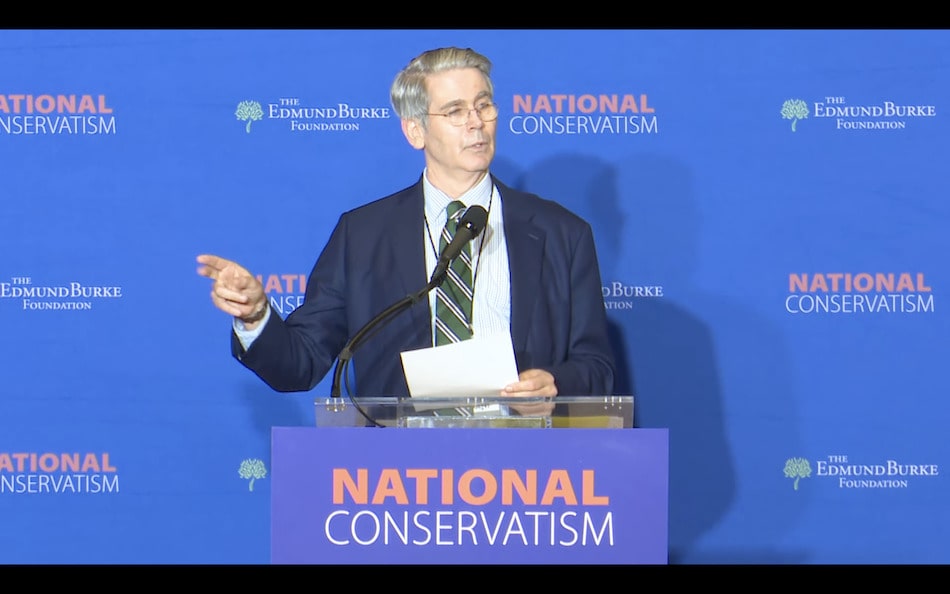
US treasury secretary Scott Bessent said the measure could bring about 140 million barrels to global markets.
He said in a statement:
“By temporarily unlocking this existing supply for the world, the United States will quickly bring approximately 140 million barrels of oil to global markets, expanding the amount of worldwide energy and helping to relieve the temporary pressures on supply caused by Iran.”
The general license, posted by the Treasury on Friday, allows the sale of Iranian crude and petroleum products that were already loaded as of Friday through 19 April.
Bessent added:
“In essence, we will be using the Iranian barrels against Tehran to keep the price down as we continue Operation Epic Fury.”
Concerns over Iran benefit
The waiver is the third sanctions easing step in roughly two weeks, following earlier moves involving Russian oil.
Critics argued the policy could still help Tehran financially despite US claims that revenue access would remain restricted.
David Tannenbaum of Blackstone Compliance Services said:
“To put it mildly, this is bananas. Essentially, we’re allowing Iran to sell oil, which could then be used to fund the war effort.”
Bessent pushed back, saying the authorization was limited to oil already in transit and did not permit new purchases or production.
Strait pressure remains
The move comes as attacks have hit regional energy infrastructure and Iran has effectively closed the Strait of Hormuz, a route for about 20% of global oil and LNG flows.
Analyst Brent Erickson said the sanctions relief would have limited effect unless the strait reopens to shipping.
He said:
“The easing of sanctions raises concerns about the rapid depletion of Washington’s economic toolkit. If we’ve reached the point of loosening sanctions on the country we are at war with, we’re really running out of options.”
The waiver is expected to mainly benefit China, the largest buyer of Iranian oil, while Japan has already begun releasing reserves as supply risks intensify.