
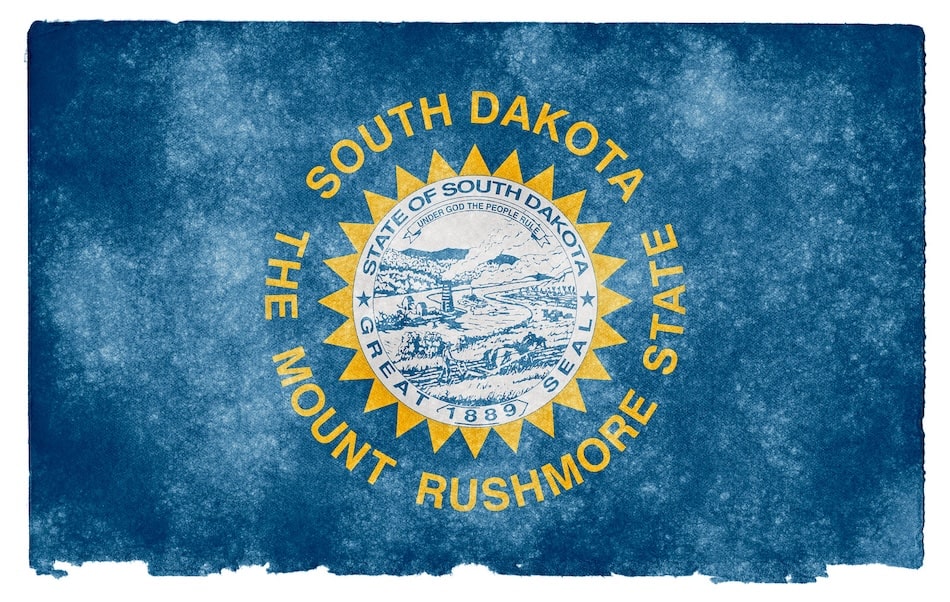
South Dakota Republican Representative Logan Manhart has introduced HB 1155, reviving a state-level bitcoin reserve proposal about a year after similar legislation was deferred.
Manhart’s bill would amend state code to allow the South Dakota State Investment Council to invest up to 10% of public funds in bitcoin.
Manhart wrote in a Tuesday X post:
“Strong money. Strong state.”
What the bill would do
If passed by the legislature and signed into law, South Dakota would join a small group of states pursuing bitcoin reserve frameworks.
According to NS3.AI, the proposal includes stricter custody requirements, including multi-party governance and encrypted hardware storage.
The move follows similar efforts in other states, including New Hampshire and Rhode Island.
Other states moving first
As of January, only Texas, Arizona and New Hampshire have passed laws allowing states to invest in bitcoin or hold digital assets seized by authorities.
Other jurisdictions have introduced comparable measures, reflecting a widening split in state-level policy.
Federal reserve effort still faces hurdles
At the federal level, President Donald Trump signed an executive order in March 2025 establishing a Strategic Bitcoin Reserve and a Digital Asset Stockpile.
However, Patrick Witt, director of the White House Crypto Council, said in a January interview that “obscure legal provisions” were delaying implementation.
The White House has said it aimed to build the reserve from digital assets seized in forfeiture cases, though the order did not explicitly authorize bitcoin purchases.
Treasury Secretary Scott Bessent said in August that there were budget-neutral ways for the US government to acquire bitcoin.