
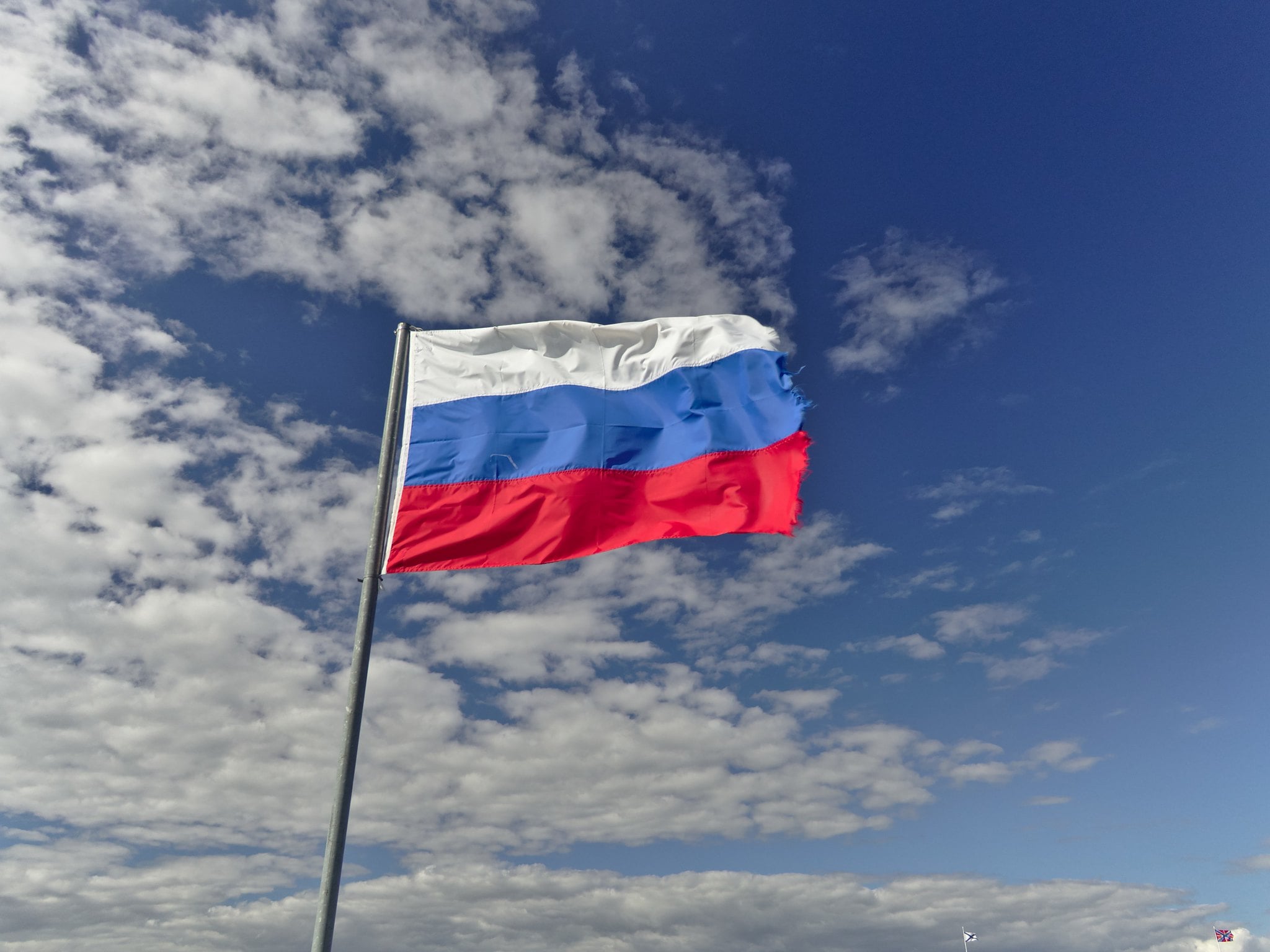
Russian lawmakers are preparing to introduce the country’s first comprehensive digital-asset regulatory framework in July.
State Duma Financial Market Committee chair Anatoly Aksakov said the draft is expected to be finalized for a vote by the end of June.
The rules would take effect a year later and, if approved, would open regulated trading to both qualified and non-qualified participants beginning July 1, 2027.
Retail limits and approved assets
Under the emerging framework, retail traders would be allowed to buy and sell a limited set of “most liquid” assets, up to an annual cap.
State press reports have put that cap at 300,000 rubles (about $3,900) per year, while professional and qualified investors would face no such limits.
A lawyer familiar with the draft, Alexandra Fedotova of White Stone, said major assets such as bitcoin are expected to be included by the Central Bank.
Privacy-focused tokens such as Monero and Zcash are expected to remain off-limits due to concerns about anonymity and illicit flows.
Stablecoins and cross-border use
Authorities are also considering a separate classification for stablecoins when used in cross-border economic activity.
If adopted, the approach would aim to clarify how dollar-pegged tokens can be used in international transfers under Russian law.
Mining, issuance, and enforcement
Aksakov has indicated the law would set rules for the creation, mining, and distribution of digital assets, while reaffirming Russia’s long-standing ban on using them for domestic payments
The draft is also expected to define administrative and financial penalties, and potentially criminal liability, for illegal activity in the sector.
Aksakov said the framework is expected to be finalized for a vote by the end of June:
“The long-anticipated framework is expected to be finalized for a vote by the end of June.”