

Oil prices lurched above $111 a barrel on Tuesday before pulling back sharply, as Donald Trump set a deadline for Iran to agree a deal with Washington or face strikes on civil infrastructure, including power plants.
Brent crude, the international benchmark, rose 1% to $111 before slipping to $109.40.
Trump’s overnight threat
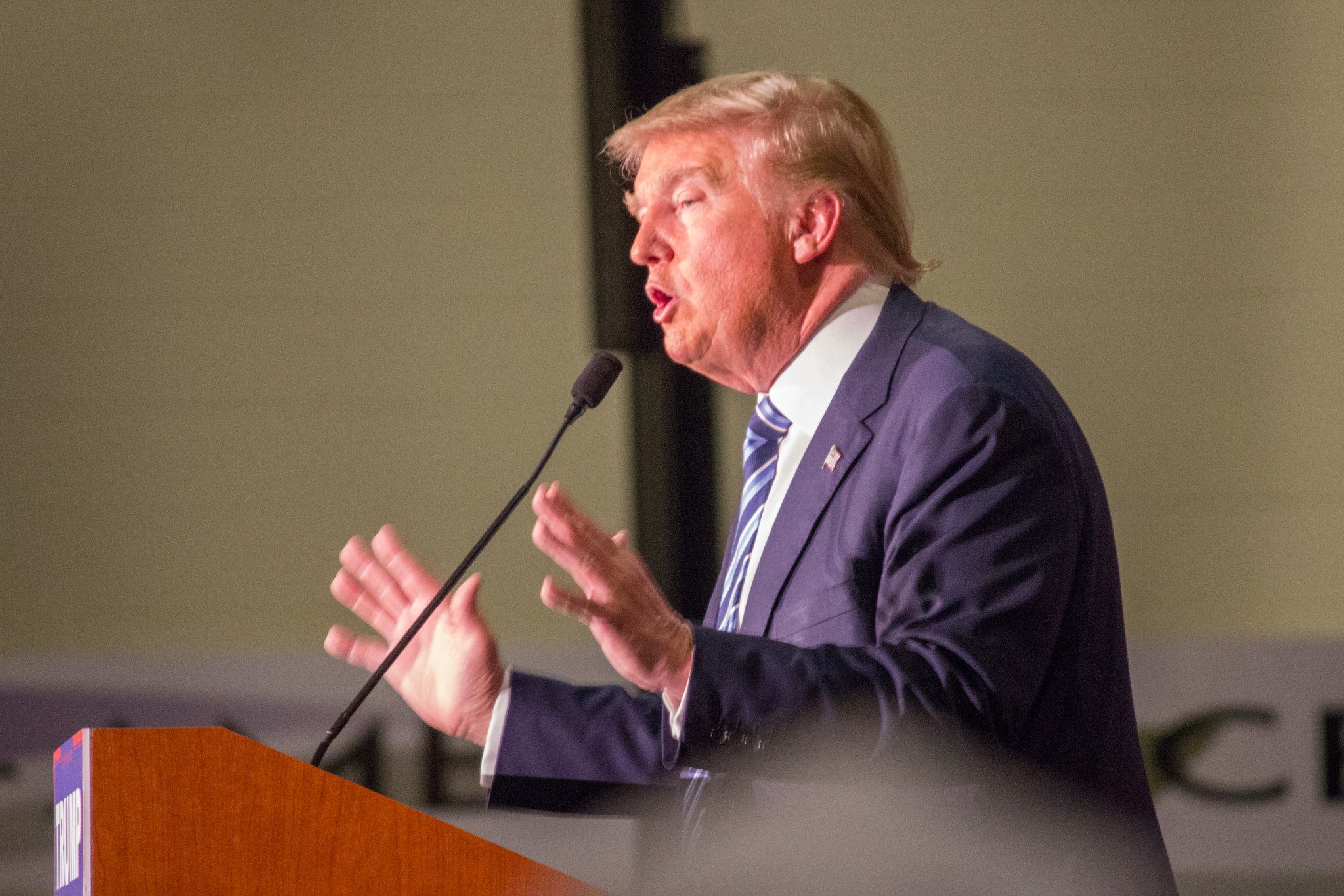
Speaking to reporters at the White House on Monday, Trump set an 8pm ET Tuesday deadline for Iran to reach an agreement, warning:
“The entire country can be taken out in one night, and that night might be tomorrow night.”
Trump said reopening the Strait of Hormuz — through which roughly a fifth of the world’s oil and gas normally passes — was a “very big priority” and must be part of any ceasefire deal.
Iran has so far rejected proposals for a temporary ceasefire, demanding a permanent end to the war and the lifting of sanctions.
Markets on edge
Senior market analyst Daniela Hathorn at Capital.com described the mood:
“Markets are once again on edge as the US–Iran conflict enters a critical phase, with investors effectively trading against another countdown clock set by the Trump administration. The situation has evolved into a near-term binary outcome: either escalation through direct strikes on Iranian infrastructure, or a last-minute de-escalation that could trigger a sharp reversal in risk assets.”
Stock markets were mixed across the globe.
Asia saw Japan’s Nikkei flat and South Korea’s Kospi up 1.1%, while Hong Kong’s Hang Seng fell 0.7%.
In Europe, the FTSE 100 edged up 0.3%, France’s Cac 40 gained 1.2%, and Germany’s Dax 30 rose 0.7%.
IMF warns of inflation and slower growth
IMF chief Kristalina Georgieva warned the conflict was already reshaping the global economic outlook, telling Reuters:
“All roads now lead to higher prices and slower growth.”
Before the war, the IMF had expected global growth of 3.3% in 2026 and 3.2% in 2027 — figures it now expects to revise downward.
The fund is set to publish its full world economic outlook next week.
JPMorgan CEO Jamie Dimon also warned that global interest rates could rise as the conflict pushes up inflation, adding further pressure to an already fragile macro environment.