
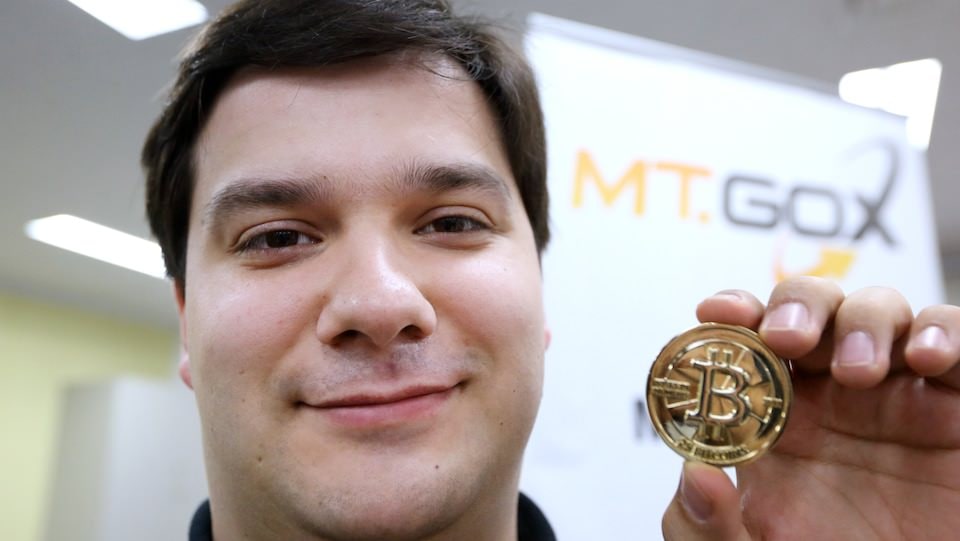
Mark Karpeles, the former CEO of Mt. Gox, is seeking community backing for a Bitcoin consensus change that would allow the recovery of 79,956 BTC tied to the exchange’s historic hack.
On Friday, Karpeles submitted a proposal on GitHub to add a new consensus rule that would make it possible to move the coins—currently sitting in a single, widely tracked wallet—to a recovery address without the original private key.
He argued the coins are uniquely identifiable and long dormant.
What the proposal changes
Karpeles acknowledged the approach would require a hard fork.
He wrote:
“I want to be upfront: this is a hard fork. It makes a previously invalid transaction valid. All nodes would need to upgrade before the activation height. I’m not trying to disguise that fact or sneak it through as something else.”
Karpeles said the Mt. Gox trustee, Nobuaki Kobayashi, is already overseeing creditor distributions and that an existing legal framework could handle any recovered funds.
Pushback focuses on immutability and precedent
Critics on Bitcointalk argued the proposal undermines Bitcoin’s irreversibility and could open the door to future demands for similar exceptions.
One user wrote that repeated recovery rules after hacks would “destroy the bitcoin concept in full,” while another said Bitcoin should not depend on law enforcement decisions.
Karpeles said he expected that to be the strongest argument against the idea.
Mt. Gox collapse recap
Mt. Gox operated from 2010 to 2014 and at one point handled about 70% of global Bitcoin transactions.
After years of losses and thefts, the exchange filed for bankruptcy protection in Tokyo on Feb. 28, 2014, reporting about $65 million in liabilities after losing 750,000 customer BTC and 100,000 of its own.