
JPMorgan has warned that Strategy’s new bitcoin sales policy adds unnecessary risk to the crypto market, as the Michael Saylor-led firm considers selling up to $1.25 billion in bitcoin to fund preferred dividends over the coming months.
The warning comes as Strategy loses ground on both its common and preferred stock across broader financial markets.
Why JPMorgan sees two-way risk
A two-way risk describes a scenario in which price moves in either direction can create losses for market participants exposed to the underlying asset.
Analysts led by Nikolaos Panigirtzoglou argue Strategy’s policy has now introduced exactly that dynamic.
The company revealed the option to sell up to $1.25 billion in bitcoin to strengthen its balance sheet, alongside potential preferred stock repurchases and share buybacks.
Cash reserve
Strategy also set a new minimum cash reserve target aiming to cover 12 months of preferred dividends and interest expense.
Its current $2.55 billion in reserves only covers 17 months of obligations, leaving limited flexibility ahead.
JPMorgan pushed back, recommending a higher coverage target of 24 to 36 months and urging the firm to issue common equity rather than sell bitcoin.
Strategy remains the largest bitcoin buyer globally, having purchased roughly $13.7 billion in 2026 and holding 847,363 BTC.
How the market is digesting the risk
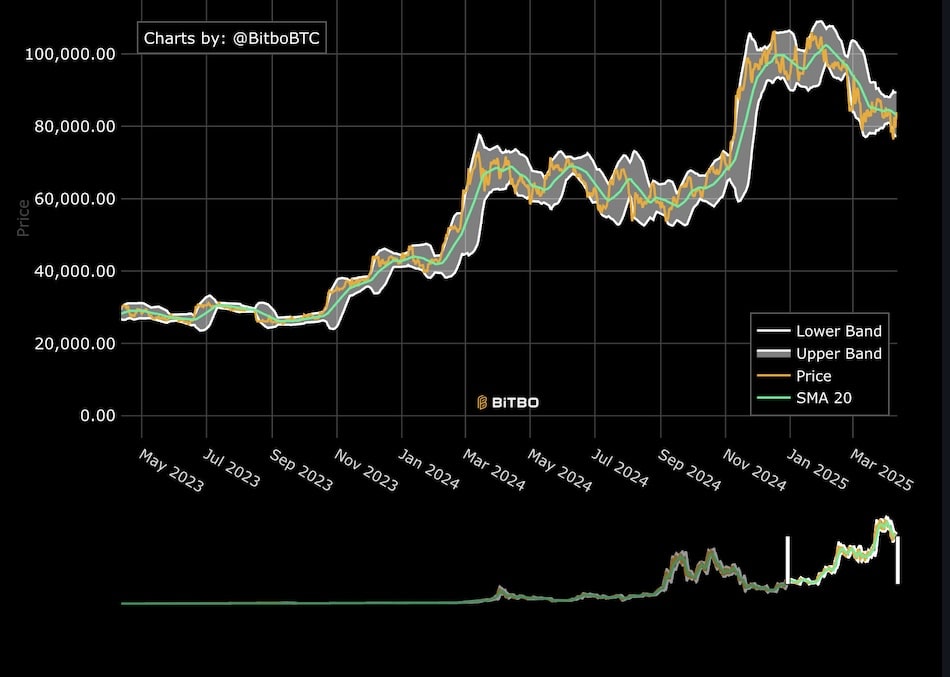
Strategy sold 32 bitcoin for roughly $2.5 million between May 26 and May 31, its first sale since 2022 and a reversal of Saylor’s “never sell” stance.
JPMorgan noted the sale contributed to bitcoin’s stress in late May and early June.