
Bitcoin has held up relatively well as geopolitical tensions in the Middle East have escalated, even as investors weigh the risk of supply disruptions and broader market volatility.
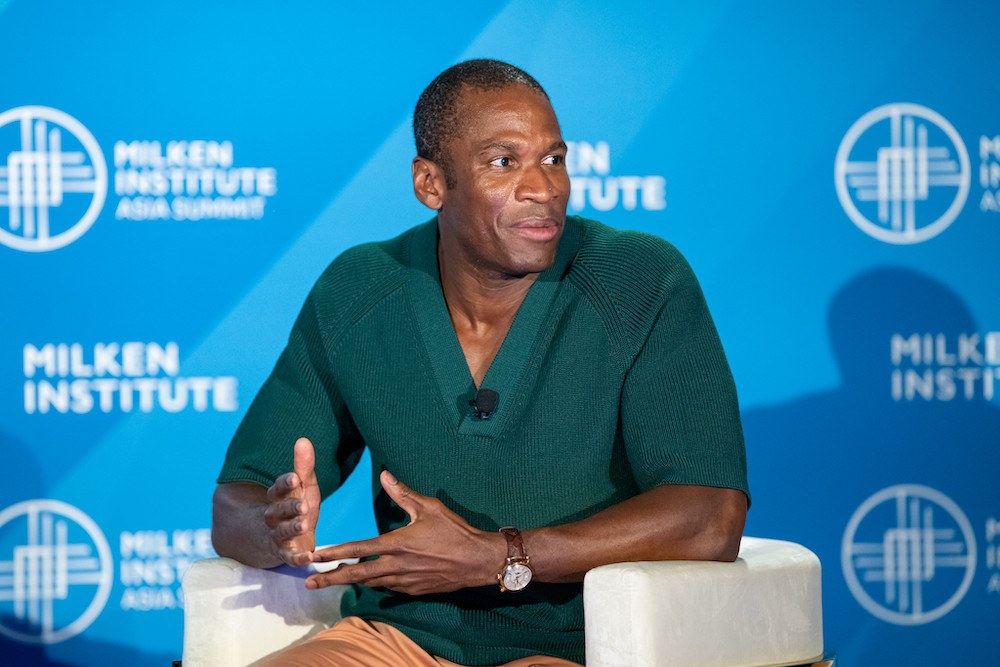
In a Cointelegraph interview published March 6, Arthur Hayes, co-founder of Maelstrom, argued that global markets may not be fully reflecting the possibility of a longer conflict.
War risk and energy shock
Hayes said the key risk is that an expanded or prolonged conflict could disrupt energy flows and push oil prices higher, feeding inflation and volatility across asset markets.
He said:
“I don’t think global markets are fully priced in [on] a longer war between the US and Iran.”
AI and potential credit stress
Hayes also pointed to artificial intelligence as a separate shock that could hit the economy through the labor market.
He said AI could replace a significant share of knowledge workers, including lawyers, bankers, accountants, and analysts.
Hayes argued that a rapid transition could lead to credit stress if households struggle to service existing debt.
Bitcoin as a liquidity signal
Hayes said the financial system typically responds to crises with liquidity, and framed bitcoin’s role in that context.
He said:
“Bitcoin is essentially just a liquidity smoke alarm.”