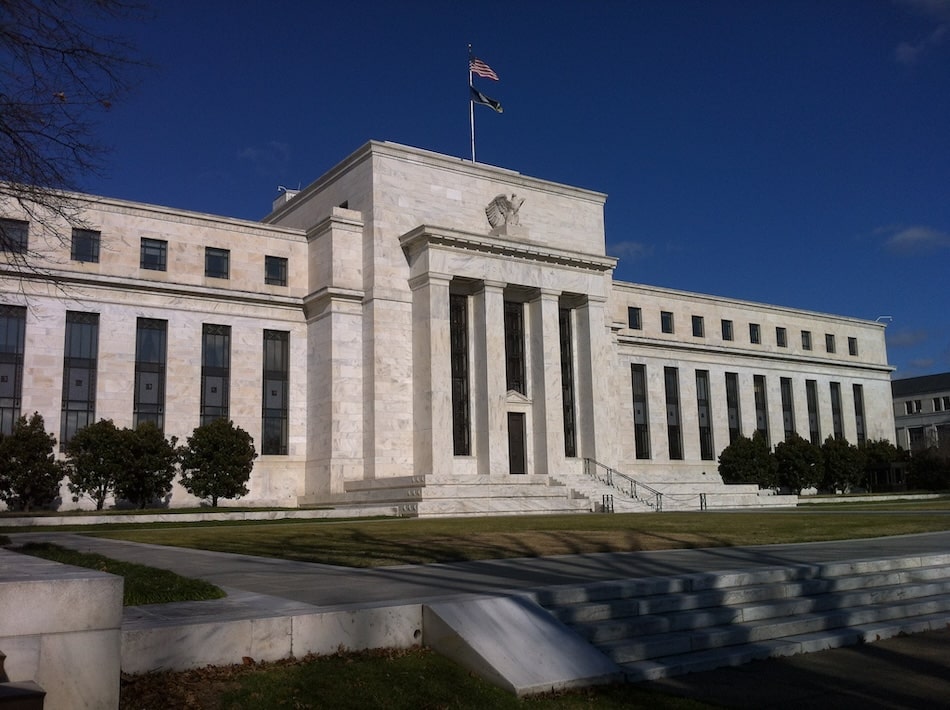
Interest rate traders now put the chance of a Federal Reserve hike at this month’s meeting at 58.4%, a swing that arrived after a surprisingly healthy set of employment numbers.
Jobs data resets the odds
CME’s FedWatch tool shows nearly 60% of investors betting on a 25 basis point move to a range of 3.75% to 4%, with the rest expecting the Kevin Warsh-led central bank to hold instead.
The shift followed a Bureau of Labor Statistics report on Friday showing the U.S. economy added 162,000 jobs in August while the unemployment rate stayed at 4.1%.
Inflation, the other half of the Fed’s mandate, is offering less comfort, with the all-items index running at 3.4% over the past 12 months against a 2% target.
The next Consumer Price Index reading is due Friday, ahead of an FOMC meeting that concludes Sept. 16.
What the banks expect
Macquarie’s David Doyle wrote in a Friday note:
“While the timing remains uncertain, we move our baseline case for the first 25 bps hike to September [previously December]. We continue to anticipate a second 25 bps hike in 1Q27.”
Bank of America also expects a move next week, with its macro team warning that skipping a hike could raise questions about the Fed’s credibility and push long-end yields higher.
UBS looks for two hikes this year, in September and December, though chief investment officer Mark Haefele argued the reason behind the move matters more than the move itself:
“A Fed responding to U.S. economic strength is very different from a Fed responding to inflation problems.”
Pressure from the White House
The Trump administration is still waiting on the rate cut it spent months demanding from former chairman Jerome Powell.
Writing on Truth Social on Friday afternoon, President Donald Trump said:
“The Fed Board, with its great new leader, must get smart – BE PATRIOTS for a change.”
He added a fresh threat, saying he would stop the U.S. from trading with countries it runs a trade deficit against if rates do not come down.
Vice President JD Vance made a similar case last week, tying lower rates to housing affordability and saying it “would be nice to have some help from the Federal Reserve.”