

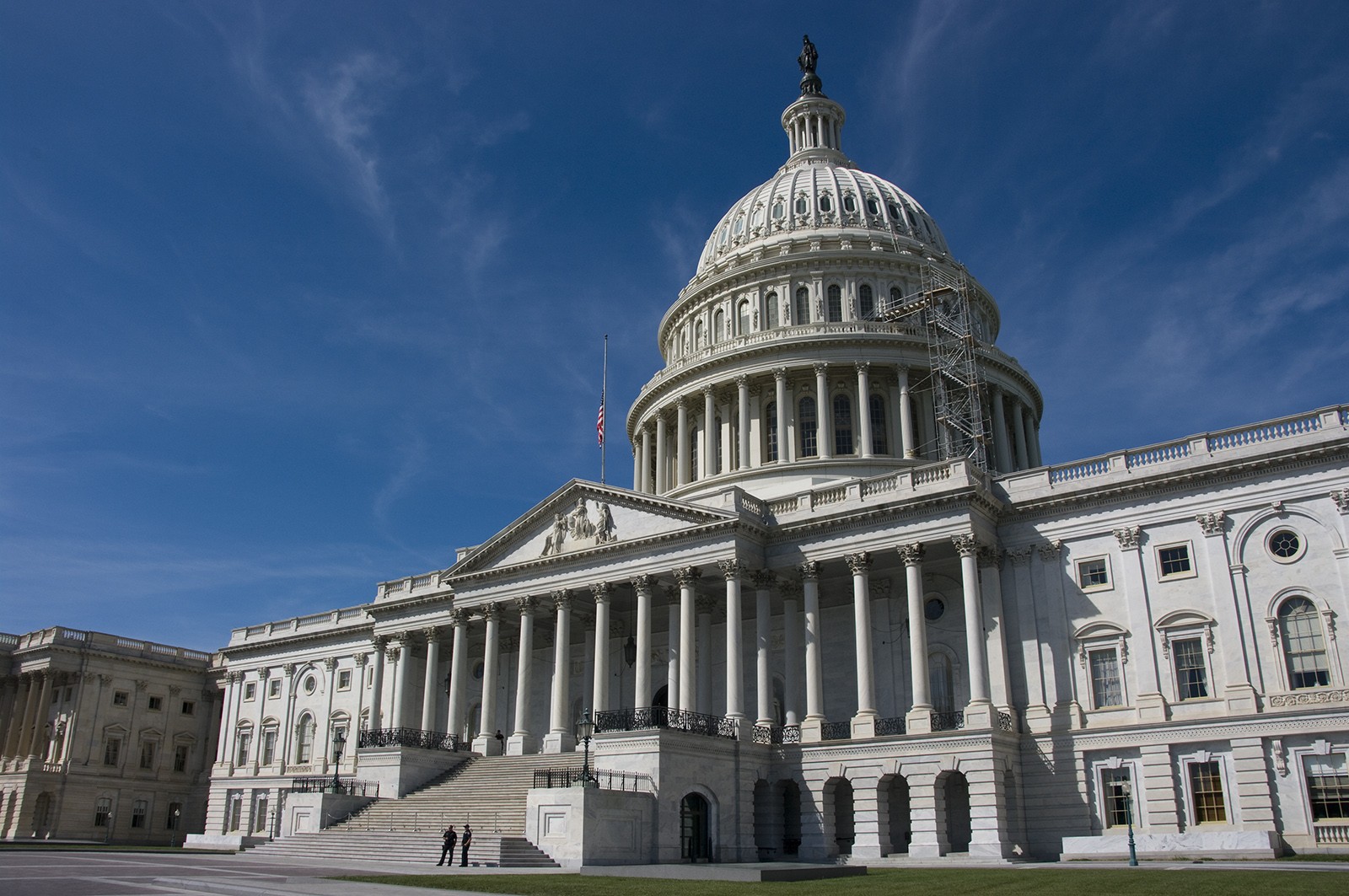
The House Ways and Means Committee is scheduled to hold a legislative hearing on digital asset taxation on June 9 at 2:00 PM ET, with a written comment deadline set for June 23.
Witnesses include representatives from Fidelity, Coinbase, Coin Center, and the Tax Law Center at NYU Law, covering both industry and tax policy perspectives.
The payment problem is a tax problem
Under current IRS rules, bitcoin and other digital assets are treated as property, meaning every time someone spends bitcoin — even on a small purchase — they may need to calculate their cost basis, fair market value, and any resulting gain or loss.
The Joint Committee on Taxation’s 2025 digital asset report confirmed that no digital asset is treated as currency for federal income tax purposes, and that no general de minimis rule exists to exclude gains on small personal transactions.
That gap is the core adoption bottleneck: a market can have regulated exchanges and clear broker reporting while still leaving routine payment behavior too burdensome for everyday use.
Stablecoins may get the first tax break
One live proposal, the Digital Asset PARITY Act, would treat qualifying regulated dollar stablecoin payments like cash for tax purposes — removing the need to treat each payment as a property disposition.
For bitcoin payments and other non-stablecoin transfers, basis tracking would remain in place under that approach.
Sen. Cynthia Lummis has pushed a broader version, proposing a $300 de minimis rule with a $5,000 annual cap that would cover small bitcoin transactions as well.
PARITY, by contrast, asks Treasury to study de minimis relief and provide interim guidance — a more cautious path that stops short of extending relief to bitcoin payments directly.
Mining and staking face the same timing mismatch
Mining and staking rewards are currently taxable when received under IRS guidance, which can force miners and validators to recognize income — and owe tax — before they have sold any assets to cover the liability.
The PARITY Act proposes an election to defer income recognition for up to five taxable years until disposition, which would move the tax event closer to when participants actually realize cash.
Network fees paid in bitcoin create a similar friction, potentially generating reportable records even when a user is simply moving funds between wallets they own.
The June 9 hearing will test whether Congress wants tax relief to support only regulated digital dollars or to address small bitcoin and on-chain activity more broadly — a distinction that could shape whether bitcoin functions primarily as a savings asset or as usable payment technology.