
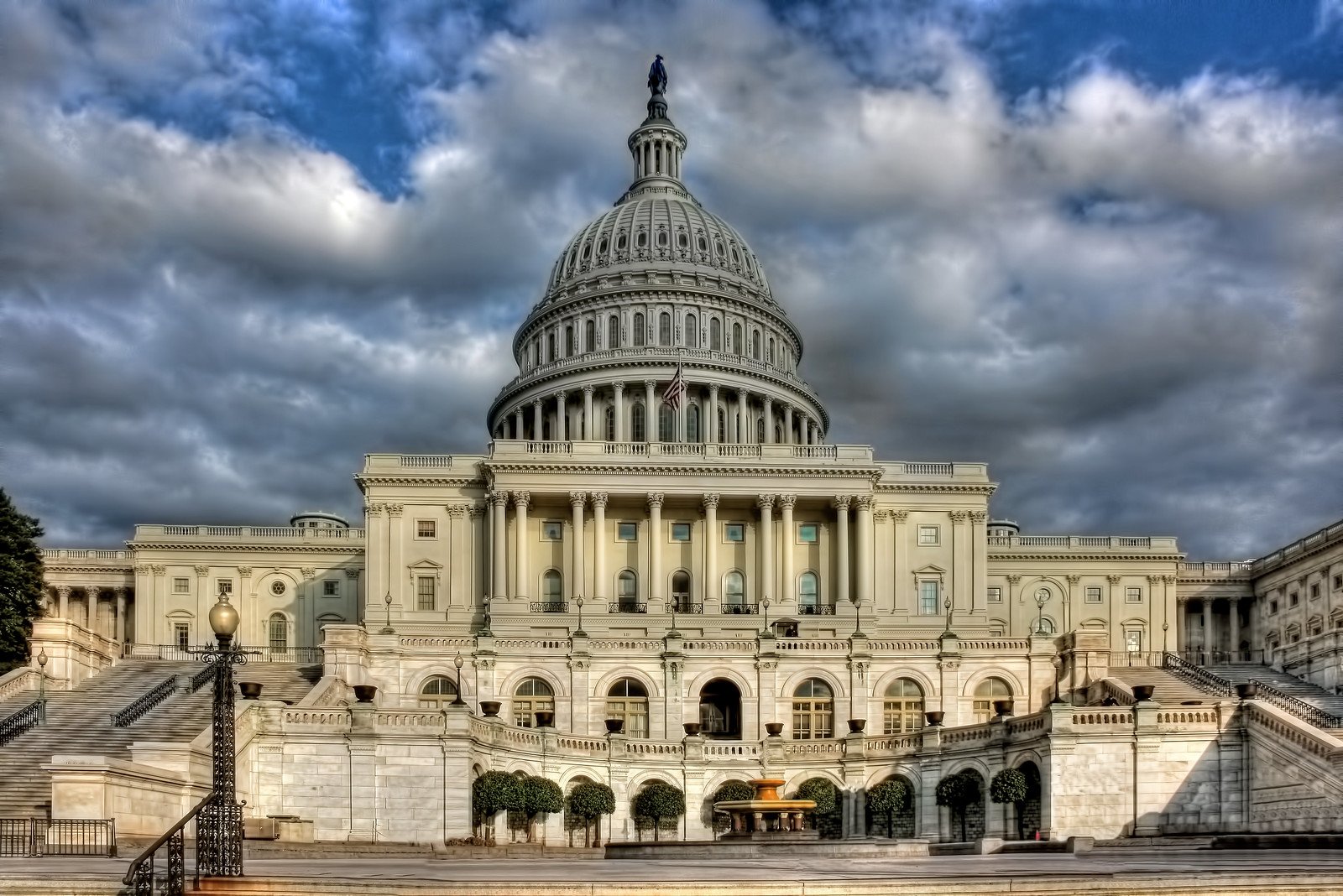
The cryptocurrency industry scored a significant legislative win on Thursday as the Senate Banking Committee approved the Clarity Act, the first wide-ranging piece of regulation for the digital asset industry, in a 15-9 vote that largely fell along party lines.
Democratic Sen. Ruben Gallego of Arizona joined all Republicans on the panel to support the bill, while several other Democrats signaled they want to keep negotiating.
What the bill does
The Clarity Act would end what Committee Chair Tim Scott, R-S.C., called a “regulatory gray zone” that has left developers, entrepreneurs, and investors facing confusion and enforcement actions.
Scott said during the hearing:
“For years, the digital frontier was trapped in a regulatory gray zone. Developers, entrepreneurs and investors were left with uncertainty. They faced confusion and enforcement actions, when instead, the government should have been crafting clear rules of the road.”
The bill is backed by major crypto companies including Coinbase and Circle, as well as venture capital firm Andreessen Horowitz.
The White House has also actively pushed for the legislation, even stepping into negotiations between banks and crypto groups.
Opposition from banks and unions
The bill faces pushback from the banking industry, which warns it could allow crypto firms to offer interest-like payments to stablecoin holders, draining bank deposits and reducing capital available for loans.
Law enforcement groups argue the legislation doesn’t do enough to prevent illicit financial transactions, while major labor organizations including the AFL-CIO warned that legitimizing crypto could threaten financial stability and pension accounts.
Sen. Mark Warner, D-Va., who has worked with Republicans on the bill, captured the mood of cautious optimism:
“I guess I’m right now in crypto purgatory, but I’m looking forward to getting all the way there.”
Long road ahead
The bill still has a considerable path before becoming law.
It must clear the full Senate and then be reconciled with a different version the House passed last fall, before heading to President Trump’s desk.
Democratic amendments to address concerns around illicit finance and ethics language targeting elected officials who have profited from crypto — including Trump himself, whose family has made billions from meme coins and World Liberty Financial — were either voted down or ruled out of order during the committee session.