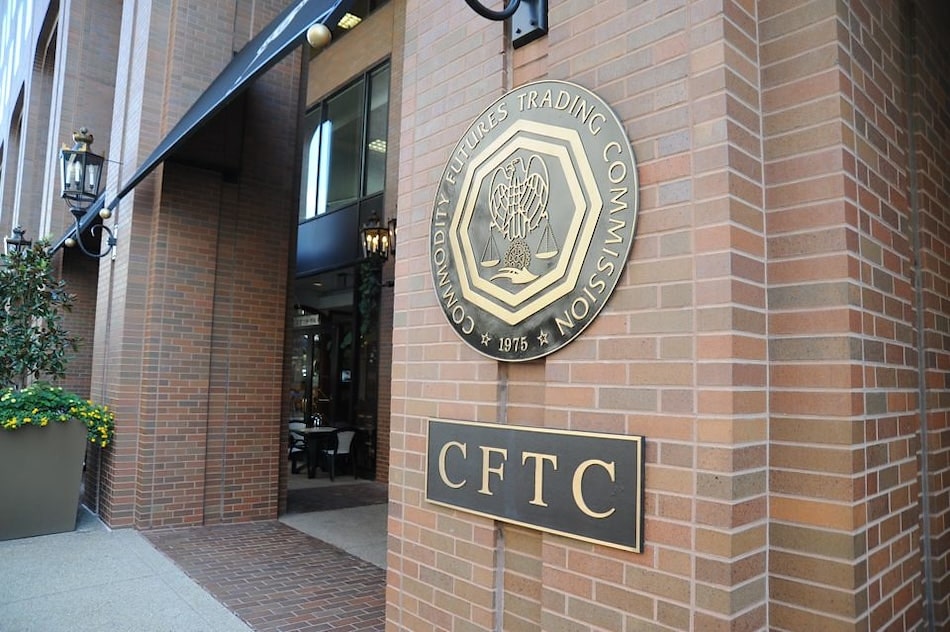
Commodity Futures Trading Commission Chairman Michael Selig laid out a new federal pathway for crypto exchanges on Oct. 5, using a speech at Fordham Law’s Blockchain Regulatory Symposium in New York to trace the industry back to Satoshi Nakamoto’s original vision.
Bitcoin as the starting point
Selig called Nakamoto’s 2008 white paper the “big-bang” of a new universe of decentralized networks, applications and assets.
He described Bitcoin as decentralized both politically and architecturally, noting that no single person controls it and it has no central point of failure.
He also recalled that the CFTC first declared bitcoin a commodity in 2014 under former Chairman Timothy Massad, and later greenlit the first regulated bitcoin futures under Chris Giancarlo.
An end to regulation by enforcement
Selig criticized the Biden-era CFTC and SEC for policing crypto through lawsuits rather than rules, a trend he said intensified after FTX collapsed.
FTX’s operators stole more than $8 billion in customer assets, though property held by its CFTC-registered subsidiaries stayed segregated and secure.
In March, the CFTC and SEC issued a joint interpretation sorting crypto assets into five categories, with bitcoin named as a digital commodity rather than a security.
Regulation CTX and CAM
With Congress failing to pass the Clarity Act, the CFTC released an advance notice of proposed rulemaking on Regulation CTX and Regulation CAM.
The rules target exchanges offering retail customers margined, leveraged or financed crypto trades, and would create a new registration category called a “crypto asset market.”
Proposed safeguards include proof-of-reserves requirements and mandatory intermediation by futures commission merchants.
The agency also proposes that delivering crypto to a user’s non-custodial wallet within 28 days counts as “actual delivery,” keeping self-custody trades outside the on-exchange requirement.
Closing his remarks, Selig told builders:
“Build here. Build markets that are open, competitive, and worthy of the public’s trust.”