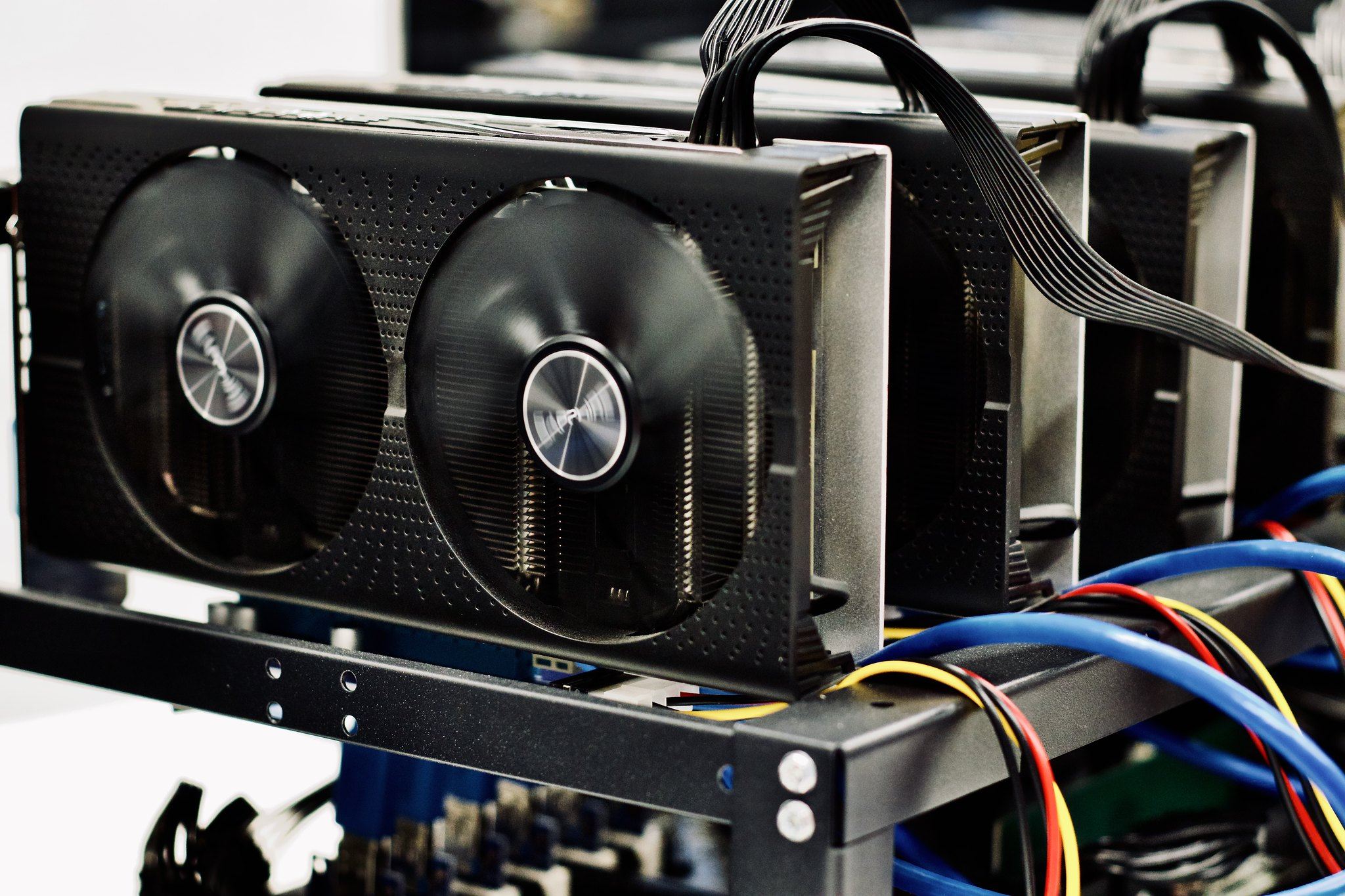

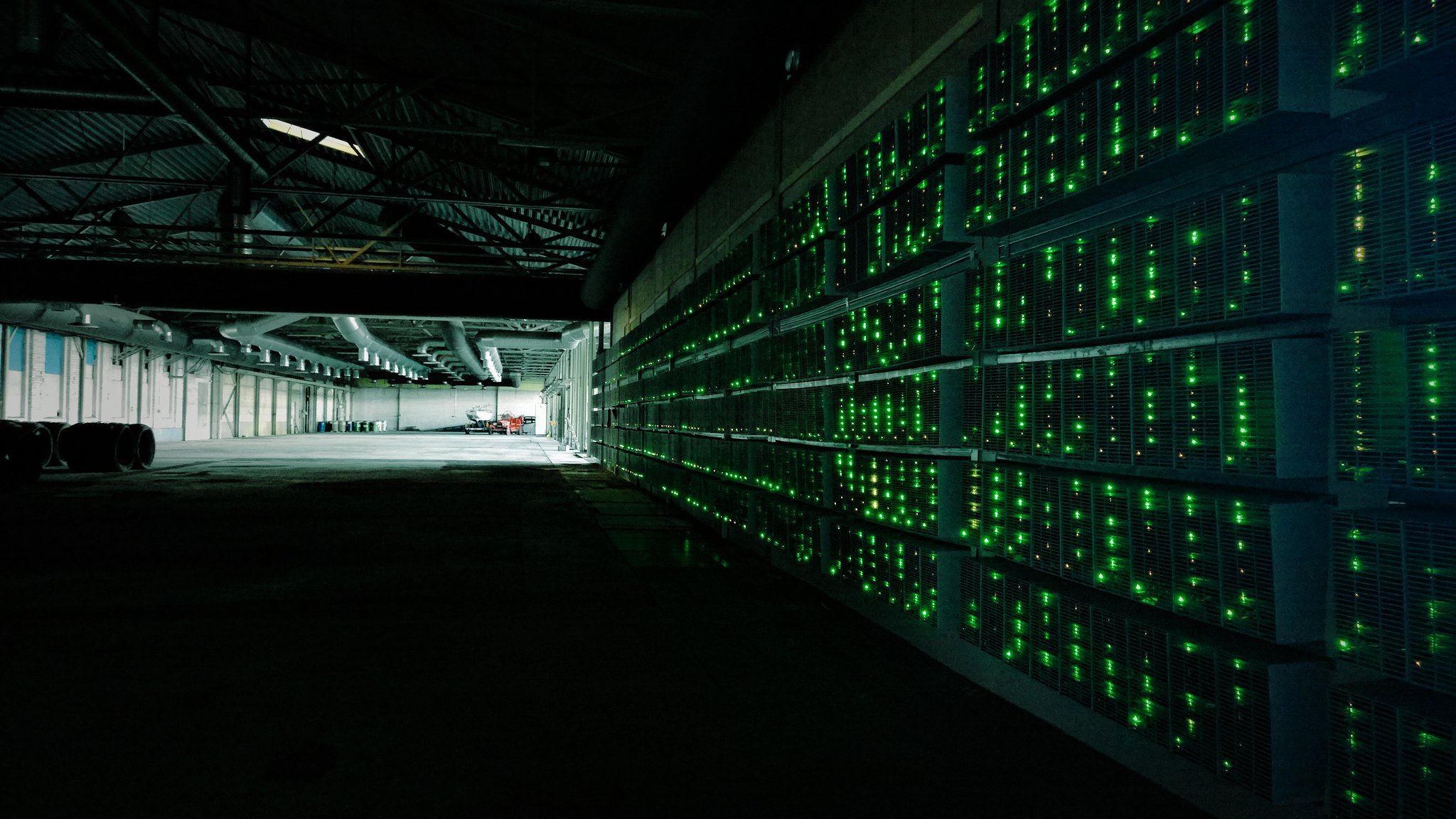
BlackRock is urging clients to stop treating AI as a pure software trade and start treating it as an energy constraint that could collide with bitcoin mining.
BlackRock’s energy warning
In its 2026 Global Outlook, the BlackRock Investment Institute said AI-driven data centers could consume as much as 24% of US electricity by 2030.
That forecast reframes investor focus from chips to megawatts, and raises a direct question for bitcoin miners whose business model depends on access to low-cost, often interruptible power.
BlackRock wrote in its outlook:
“Stop looking at artificial intelligence as software and start treating it as energy.”
Miners run on flexibility, AI demands certainty
The report argued the AI buildout is pushing against physical limits and highlighted electricity as the constraint investors are underpricing.
BlackRock also cited $5 trillion to $8 trillion in total capital spending intentions for AI infrastructure through 2030.
Bitcoin miners have long argued they can act as a flexible load, curtailing when grids are stressed.
Texas’ ERCOT has designed programs for “large flexible customers,” including mining facilities.
By contrast, AI data centers generally seek always-on baseload power and long-term certainty.
Grid politics and a possible pivot
BlackRock’s framing lands as US power markets tighten amid interconnection backlogs and transmission delays.
The US EIA estimated bitcoin mining represented about 0.6% to 2.3% of US electricity consumption in 2024.
BlackRock’s outlook suggests miners may face tougher competition for grid access, while some may try to pivot from hashing to hosting by repurposing power sites for AI workloads.
Miners’ economics remain closely tied to network hashrate and shifts in mining difficulty, especially after the latest block subsidy halving reduced new issuance per block.