
Bitcoin briefly touched $70,271 on Coinbase before pulling back to around $69,800 as President Donald Trump sent contradictory signals over a potential deal with Iran to reopen the Strait of Hormuz.
The move triggered around $255 million in liquidations over 24 hours, with 73% of those hitting short positions.
Trump’s threat
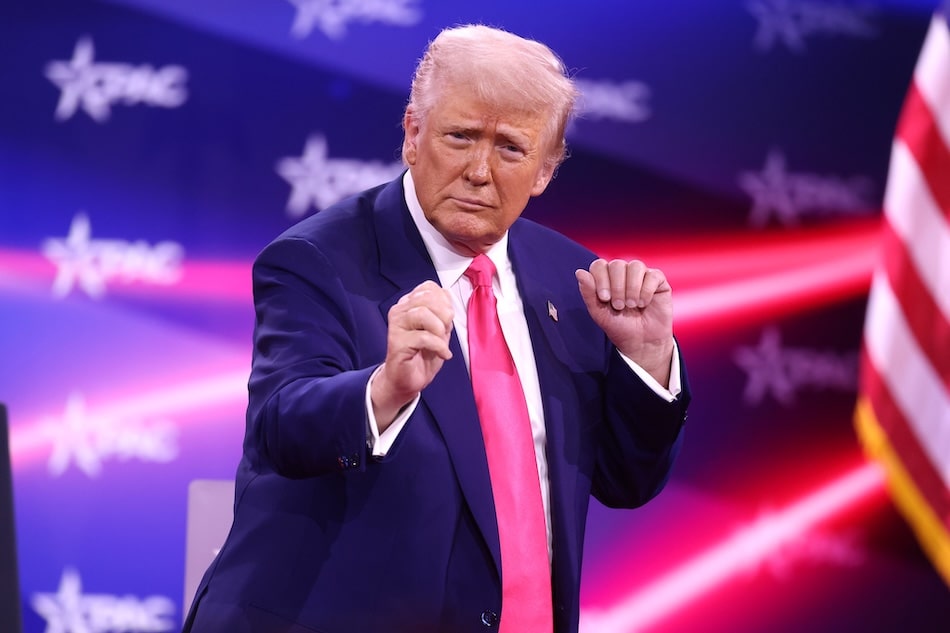
In an expletive-laden post on Truth Social, Trump threatened that Iran would be “living in Hell” if the Strait of Hormuz is not reopened by Tuesday, warning the US would strike Iran’s power plants and bridges.
He stated:
“There will be nothing like it!!! Open the f*** Strait, you crazy bast, or you’ll be living in H* - JUST WATCH!”
Trump initially gave Iran a 10-day window to reopen the waterway, but his latest post tightened that deadline considerably.
Deal signals emerge
Despite the aggressive rhetoric, Trump told Fox News that Iran is “negotiating now” and said there was a “good chance” of a deal within 24 hours.
An Axios report added further complexity, suggesting the US, Iran, and regional mediators are discussing the terms of a 45-day ceasefire that could permanently end the war.
Oil prices and inflation risk
Crude oil has climbed back to around $112 per barrel amid the ongoing conflict and Strait closure.
The Kobeissi Letter warned that if oil stays at current levels for another seven weeks, US CPI-related inflation could rise to approximately 3.7%.
Americans have also spent an additional $240 million per day on fuel costs since the Iran war began on Feb. 28, adding to broader concerns about a potential global recession.