

Bitcoin traded just under $68,000 on Feb. 17, struggling to regain momentum after an early-month slide that bottomed near $60,000.
Volatility drops as panic fades
Bitcoin’s 30-day implied volatility fell to an annualized 52%, according to Volmex.
The move reversed a spike from roughly 48% to nearly 100% during the Feb. 6 sell-off.
Bitfinex analysts said in an email:
“Implied volatility has dropped, and deleveraging is running out of steam.”
Derivatives show limited risk appetite
Despite calmer options markets, bitcoin hasn’t held above $70,000 since the rebound.
Bitfinex said funding rates still don’t signal aggressive re-leveraging.
The analysts added:
“Funding rates have yet to show appetite for aggressive re-leveraging and derivatives markets support the view of a stabilization rather than renewed buying.”
Perpetual funding rates were described as just above zero, implying mild bullish positioning.
ETFs extend outflow streak
Institutional demand also appeared soft.
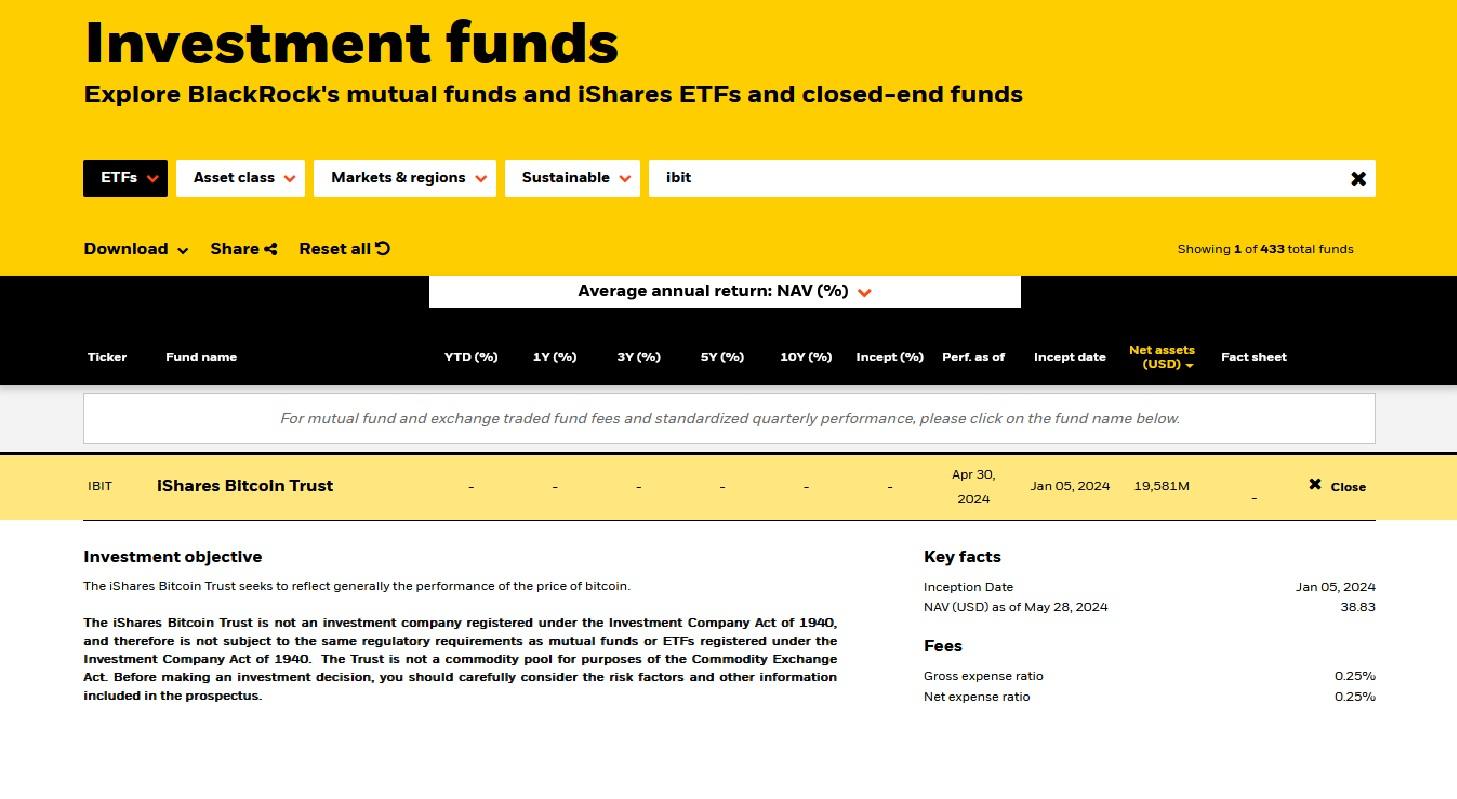
U.S.-listed spot bitcoin ETFs saw net outflows of $677.98 million this month, extending a three-month redemption streak.
Macro data cited as a tailwind
CPI slowed to 2.4% year-on-year in January from 2.7% in December.
That reinforced expectations for at least two 25 basis-point Fed cuts this year.
The real yield on the U.S. 10-year fell to 1.8%, the lowest since Dec. 1.
Bitfinex noted:
“Lower real yields reduce the relative carry disadvantage of non-yielding assets such as Bitcoin, while a softer dollar supports global liquidity conditions.”