

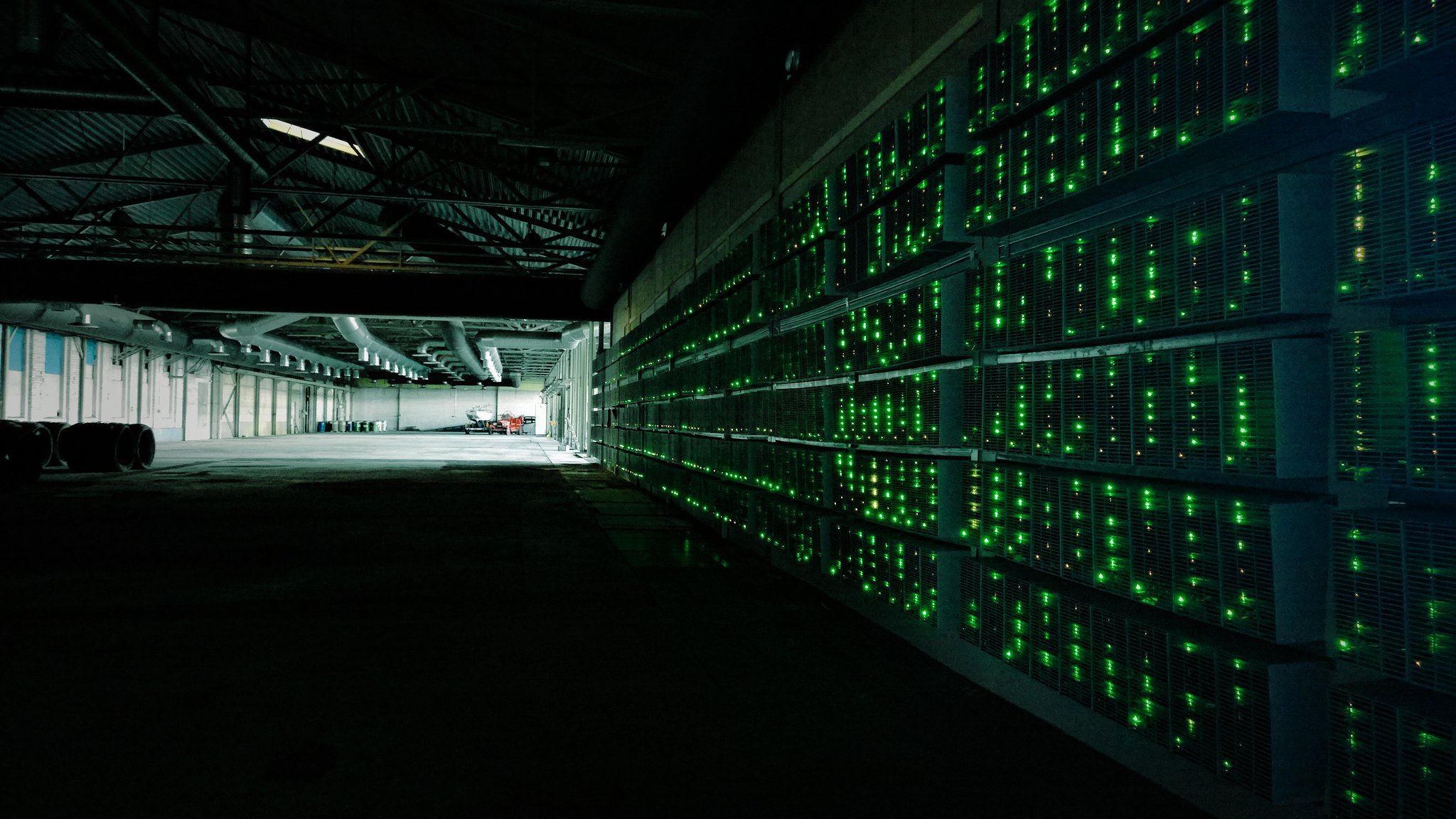
Bitcoin mining difficulty rose to 148.2 trillion in the final adjustment of 2025 and is projected to climb again in early January 2026.
The next adjustment is expected on Jan. 8, 2026, at block height 931,392, with difficulty forecast to reach about 149 trillion, according to CoinWarz.
Next adjustment
Average block times were about 9.95 minutes at the time of writing, slightly faster than bitcoin’s 10-minute target.
That typically results in a higher difficulty setting to slow block production back toward the target cadence.
2025 highs and miner pressure
Difficulty reached new all-time highs in 2025, including two sharp increases in September during bitcoin’s uptrend.
The article noted that bitcoin later fell during October’s market crash.
Rising difficulty increases the computing and energy required to remain competitive, adding pressure in a capital-intensive mining sector.
For context on miner economics, Bitbo tracks mining difficulty and miner profitability via its mining calculator.
Why difficulty matters
Bitcoin’s difficulty adjusts every 2,016 blocks, or roughly every two weeks, based on average block times.
If blocks are found too quickly, difficulty rises, and if blocks are found too slowly, difficulty falls.
The mechanism is designed to help keep the network decentralized by preventing any single miner from rapidly dominating block production through a sudden surge in computing power.
Network security is often discussed alongside total computing power, which can be tracked on Bitbo’s hashrate chart.