
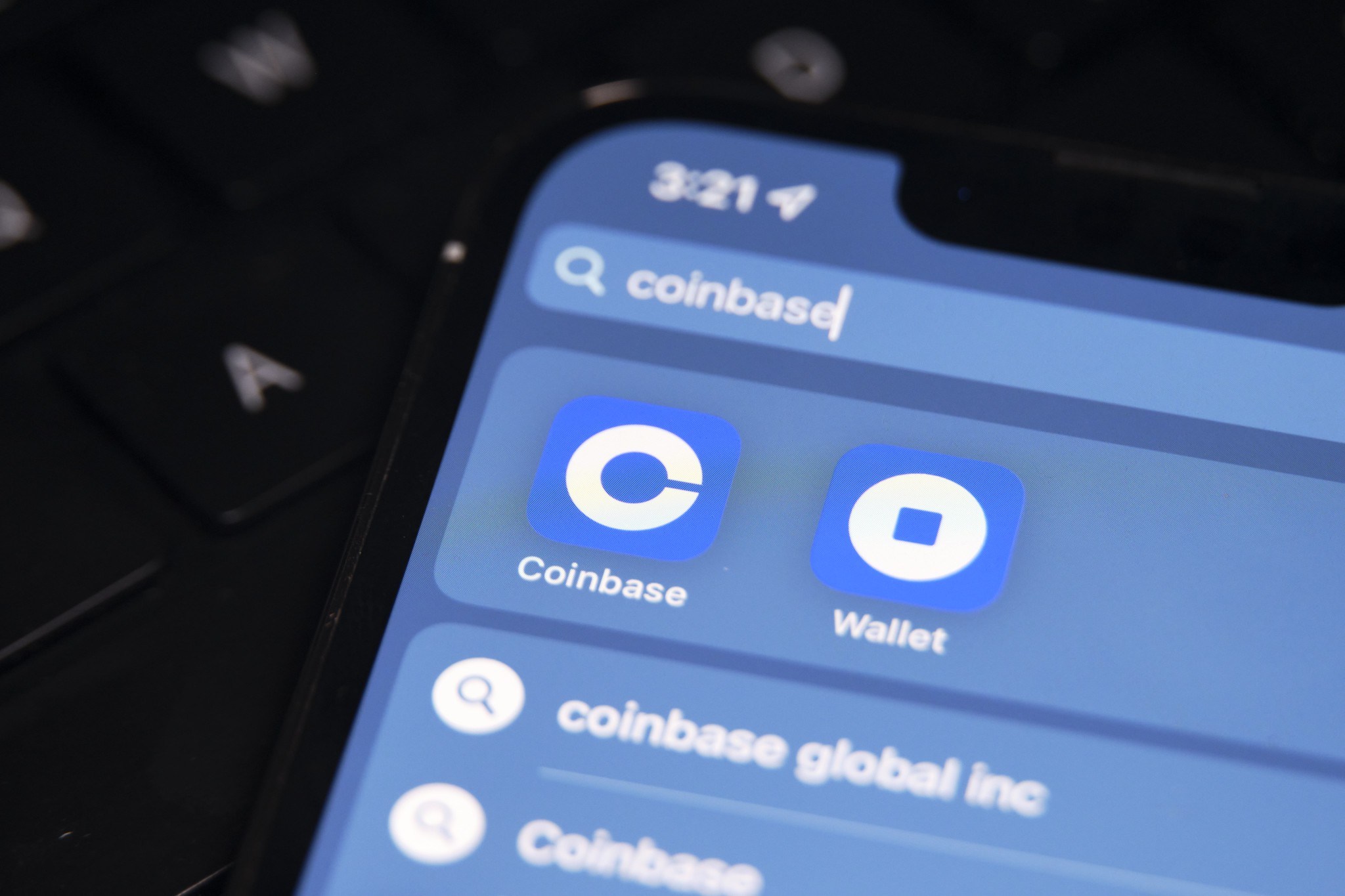
Major US banks are actively conducting early pilots for stablecoin operations, digital-asset trading, and custody services in partnership with Coinbase, according to CEO Brian Armstrong’s remarks at The New York Times DealBook Summit.
Armstrong and Fink discuss bitcoin’s role
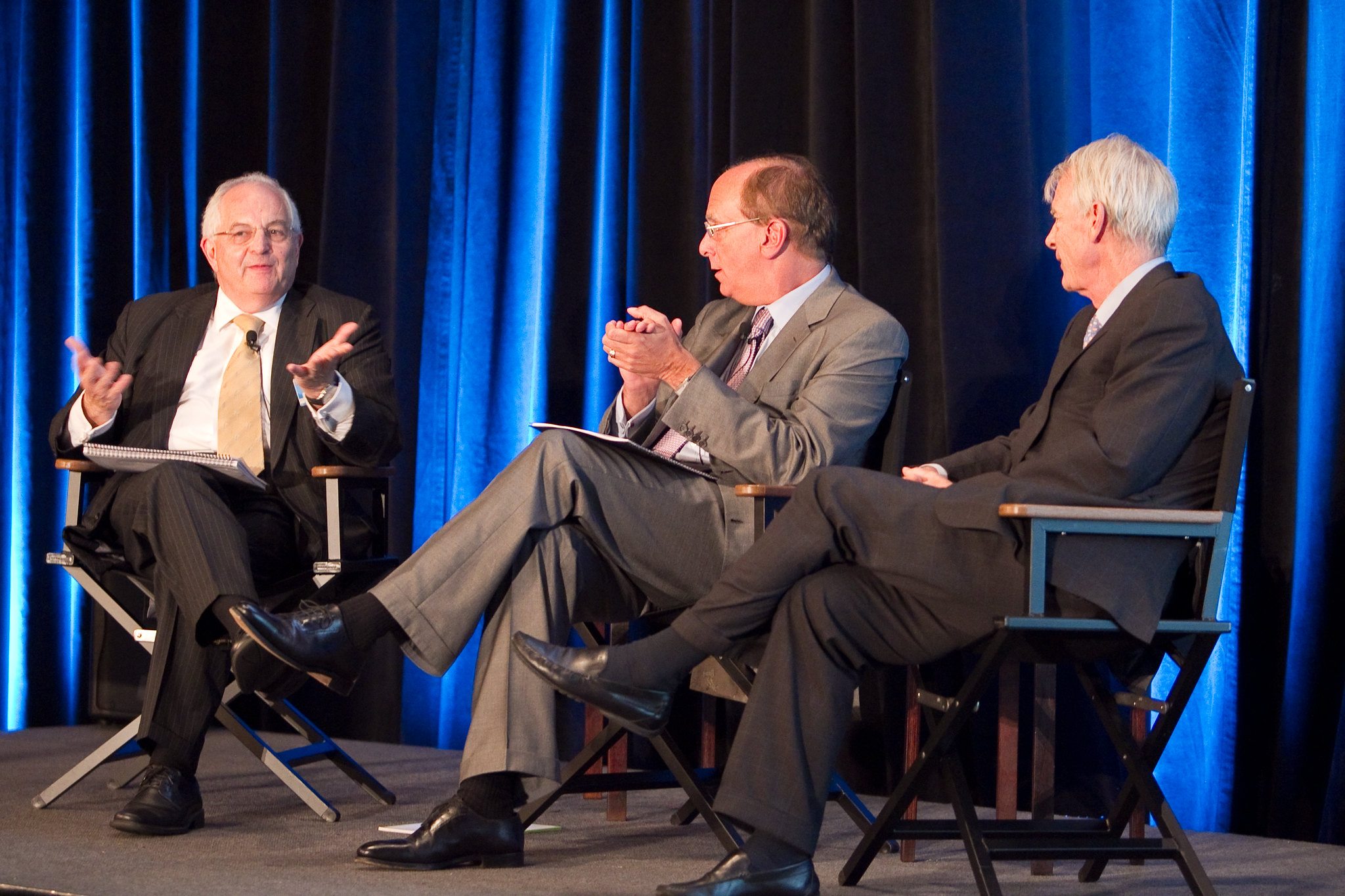
Armstrong, speaking alongside BlackRock CEO Larry Fink, did not name specific institutions but warned:
“Banks slow to adopt crypto are going to get left behind.”
Despite past differences, both Armstrong and Fink now see significant promise in bitcoin.
Armstrong dismissed concerns over bitcoin falling to zero, while Fink acknowledged its growing “use case” but cautioned that bitcoin remains “heavily influenced by leveraged players.”
BlackRock’s iShares Bitcoin Trust (IBIT), launched in January 2024, has become the largest spot bitcoin ETF in the US, with a market cap exceeding $72 billion.
Banks and Coinbase: cooperation and conflict
Although Armstrong highlighted collaboration, tensions have escalated between Coinbase and traditional banks.
In August, the Banking Policy Institute, led by JPMorgan’s Jamie Dimon, warned Congress that stablecoins could undermine the traditional banking credit model and urged lawmakers to tighten the GENIUS Act.
Banks are especially concerned about perceived loopholes allowing third parties like Coinbase to offer yield on stablecoins.
Coinbase’s ambitions to become a “super app,” replacing traditional banks with features such as credit cards and payments, have also drawn criticism.
In November, the Independent Community Bankers of America requested regulators deny Coinbase a national trust charter, citing concerns about untested custody models.
Coinbase responds to regulatory pushback
Paul Grewal, Coinbase’s chief legal officer, addressed the ongoing opposition:
“It’s another case of bank lobbyists trying to dig regulatory moats to protect their own. From undoing a law to go after rewards to blocking charters, protectionism isn’t consumer protection.”